
PHASE 2 ENVIRONMENTAL ASSESSMENT (ESA)

Environmental site characterization experts. Phase I & II assessment.

Engineering studies and materials quality control.

We carry out a multitude of tests on granular materials.

Building inspection and technical assessment, evaluation, and monitoring.
Engineering studies and materials quality control.
We carry out a multitude of tests on granular materials.
Building inspection and technical assessment, evaluation, and monitoring.
Phase 2 Environmental Assessment (ESA)
Understanding the implications relating to the phase 2 Environmental Assessment (ESA) process.

In light of the recommendations Groupe SCP proposes in a Phase I ESA, the objective of an environmental characterization is to confirm or not the presence of contaminants on the site being studied.
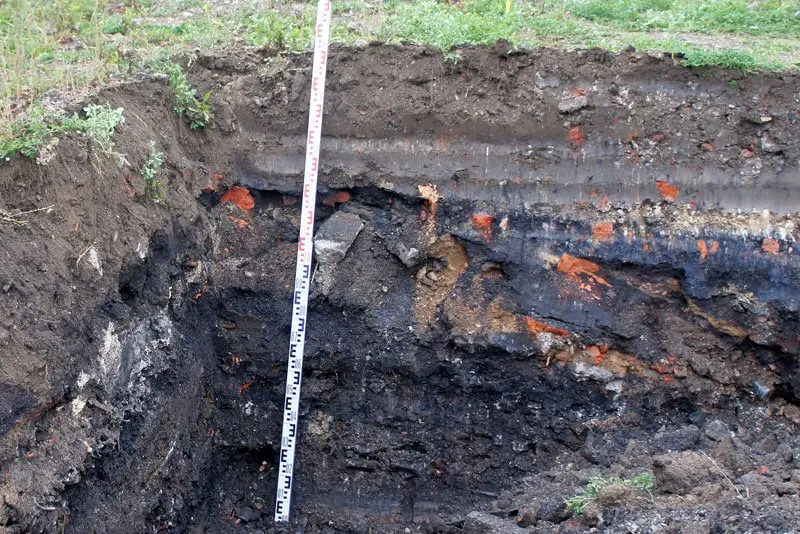


Soil and groundwater samples are analyzed in order to determine the nature and location of any contamination. Environmental characterization also determines whether the existing soil is suitable for the planned usage and its levels of contamination in order to predict management costs.
Environmental characterizations are carried out by our expert team according to the general principles in standard CSA Z769-00 and in compliance with MELCC guides and policies (Politique de protection et de réhabilitation des terrains contaminés, Guide d’échantillonnage à des fins d’analyses environnementales, Guide d’intervention – Protection des sols et réhabilitation des terrains contaminés and Guide de caractérisation des terrains) and CCME recommendations.
Groupe SCP’s team has worked together for years and knows how to effectively manage environmental characterization projects. Groupe SCP Environnement Inc. owns its own drill (GeoProbe 420M), so it can start drilling right away, even in tight spaces.
Soil sampling, akin to a Phase 2 assessment, entails the drilling or excavation of potentially contaminated zones on a property to evaluate soil quality. Subsequent analysis of the soil will determine if it meets provincial or federal requirements/criteria.
Key points in Phase II environmental site assessment
By considering these key points during a Phase II Environmental Site Assessment, stakeholders can effectively confirm the presence or absence of contamination, assess potential risks, and develop appropriate remediation strategies to address environmental concerns and protect human health and the environment.

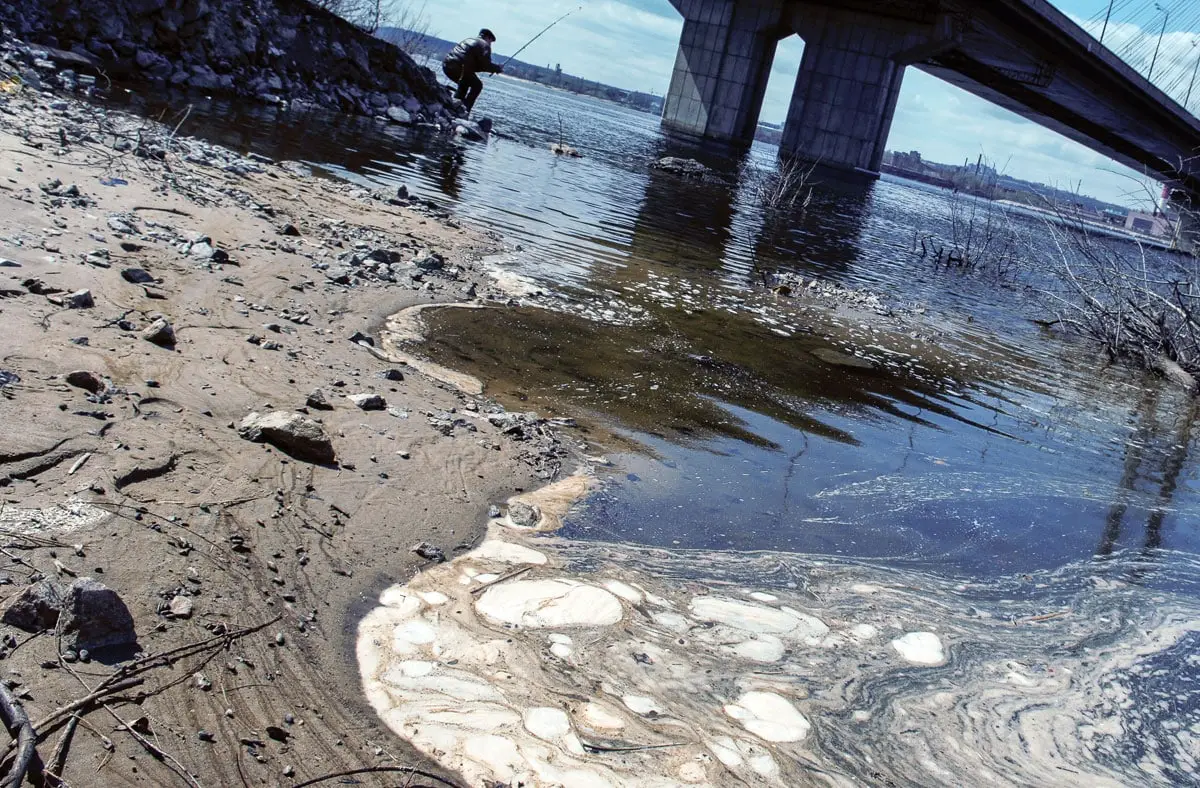

When conducting a Phase II Environmental Site Assessment (ESA), which involves further investigation to confirm the presence or absence of contamination identified in Phase I, it’s essential to consider the following key points.
Sampling Plan Design: Develop a comprehensive sampling plan that outlines the locations, types, and methods of sampling to be used during the investigation. Consider factors such as the nature of potential contaminants, site characteristics, and regulatory requirements. The sampling plan should be designed to gather representative samples that accurately assess the extent and severity of contamination.
Sampling Techniques: Employ appropriate sampling techniques to collect soil, groundwater, surface water, sediment, or air samples, depending on the nature of the suspected contamination. Use industry-standard protocols and equipment to ensure the integrity and reliability of collected samples. Adhere to proper sampling procedures to minimize cross-contamination and preserve sample integrity during collection and transportation.
Laboratory Analysis: Select certified laboratories capable of conducting accurate and reliable analysis of collected samples. Ensure that the chosen laboratories have the necessary expertise and accreditation to perform the required tests for detecting contaminants of concern. Provide clear instructions to the laboratories regarding sample handling, analysis methods, and reporting requirements to ensure consistency and quality in the analytical results.
Data Interpretation: Interpret the results of laboratory analysis in the context of site-specific conditions, regulatory standards, and risk assessment criteria. Evaluate the concentration levels of detected contaminants against relevant cleanup standards or guidelines to determine the extent of contamination and potential risks to human health and the environment. Consider factors such as exposure pathways, receptor sensitivity, and land use scenarios when assessing the significance of contamination.
Risk Assessment and Remediation Planning: Conduct a risk assessment based on the findings of the Phase II ESA to evaluate potential risks posed by identified contaminants. Determine the need for remediation measures to mitigate environmental risks and protect human health. Develop a remediation plan that outlines appropriate cleanup strategies, technologies, and regulatory requirements for addressing contamination. Consider factors such as feasibility, cost effectiveness, and long-term sustainability when selecting remediation options.