
HAZARDOUS MATERIAL TESTING

Environmental site characterization experts. Phase I & II assessment.

Engineering studies and materials quality control.

We carry out a multitude of tests on granular materials.

Building inspection and technical assessment, evaluation, and monitoring.
Engineering studies and materials quality control.
We carry out a multitude of tests on granular materials.
Building inspection and technical assessment, evaluation, and monitoring.
Hazardous material testing
We provide hazardous material testing for asbestos, mould and other environmental contaminants.

Groupe SCP provides hazardous material testing, with a focus on asbestos and mould.



We play a crucial role in identifying and mitigating environmental and health risks associated with these substances.
For example, asbestos, a mineral fibre once widely used in construction materials, and mould, a type of fungus that thrives in damp indoor environments, pose significant health hazards when present in buildings or infrastructure. Therefore, comprehensive testing protocols are essential to accurately assess the presence and concentration of these hazardous materials.
Groupe SCP is a leading firm in providing asbestos testing. The process involves the collection and analysis of samples from building materials suspected to contain asbestos fibres. Highly trained technicians carefully collect samples using specialized equipment and techniques to minimize the release of fibres into the air. These samples are then analyzed in accredited laboratories using microscopy or other analytical methods to determine the presence and type of asbestos fibres present. Results of asbestos testing are critical for assessing the risk of asbestos exposure, developing appropriate remediation strategies, and ensuring compliance with regulatory requirements.
Similarly, mould testing focuses on identifying the presence of mould spores and assessing indoor air quality in buildings. Sampling methods may include air sampling, surface swabbing, or bulk material sampling, depending on the suspected sources of mould contamination. Laboratory analysis of collected samples can identify the types of mould present, quantify spore concentrations, and determine potential health risks associated with mould exposure. Mould testing results inform remediation efforts to eliminate sources of moisture, remove mould-contaminated materials, and improve indoor air quality to prevent health problems such as respiratory issues and allergic reactions.
Effective hazardous material testing requires adherence to established protocols, standards, and regulations to ensure accurate and reliable results. Certified professionals trained in hazardous materials testing techniques must conduct testing activities in accordance with industry best practices and safety guidelines. Moreover, ongoing monitoring and periodic retesting may be necessary to verify the effectiveness of remediation efforts and ensure long-term protection of human health and the environment.
In summary, hazardous material testing, particularly for asbestos and mould, is essential for identifying environmental hazards, assessing health risks, and guiding remediation efforts to protect occupants of buildings and the surrounding environment from exposure to these harmful substances. Through rigorous testing and proactive management, potential health risks associated with asbestos and mould can be effectively mitigated, ensuring safe and healthy indoor environments for occupants.
Asbestos Testing
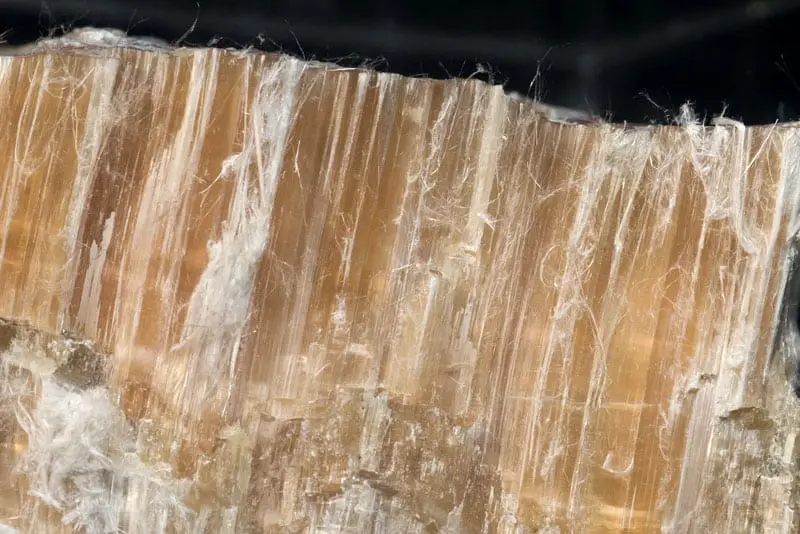
Groupe SCP is a leading company in asbestos analysis. The process involves the collection and analysis of samples of building materials suspected of containing asbestos fibres. Highly skilled technicians carefully collect the samples using specialized equipment and techniques to minimize the release of fibers into the air.
These samples are then analyzed in accredited laboratories using microscopy or other analytical methods to determine the presence and type of asbestos fibres. The results of asbestos testing are essential for assessing the risk of asbestos exposure, developing appropriate remediation strategies and ensuring compliance with regulatory requirements.
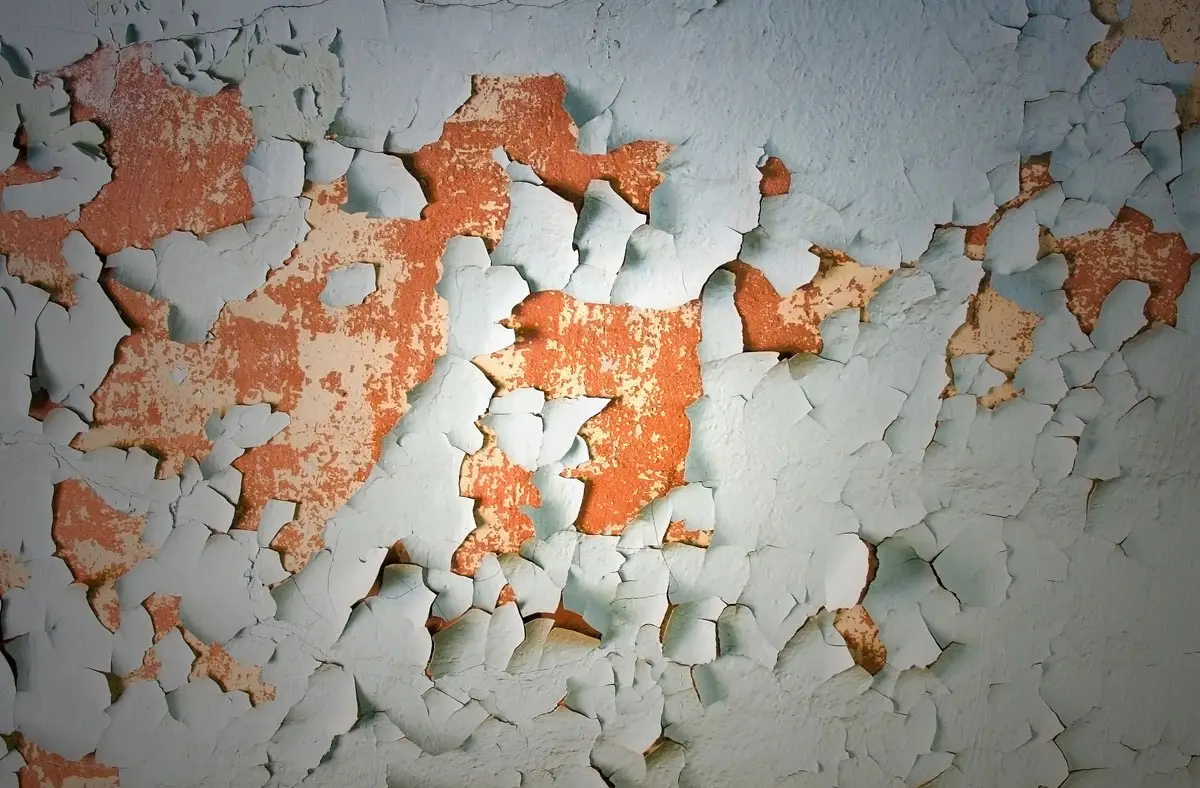

There are a number of additional contaminants that may have to be sampled in order to determine whether there is a risk for a building or the health of its occupants. These may include lead and pyrite.
Lead: Around 1976, the lead content in interior paint was limited to 0.5% by units of weight (500 mg/kg). However, until the 1960s paints could contain up to 50% lead by a unit of weight. Lead also used to be commonly used for welding and fabricating some plumbing pipes.
Pyrite: In the late 1980s, problems with pyrite made headlines in Québec. A number of homeowners discovered that the foundations of their homes were affected by swelling of the pyrite contained in the granular fill under the concrete slab. Sampling of this material is used to determine whether the granular fill presents a major potential for swelling that could cause obvious defects in the building or concrete sulfation likely to cause visible lifting of the concrete slab and justify refurbishment work.
Groupe SCP Environnement Inc. has the necessary expertise to establish a sampling program and to take the samples needed to establish the presence of these contaminants.