
PHASE 1 ENVIRONMENTAL ASSESSMENT (ESA)

Environmental site characterization experts. Phase I & II assessment.

Engineering studies and materials quality control.

We carry out a multitude of tests on granular materials.

Building inspection and technical assessment, evaluation, and monitoring.
Engineering studies and materials quality control.
We carry out a multitude of tests on granular materials.
Building inspection and technical assessment, evaluation, and monitoring.
Phase 1 Environmental Assessment (ESA)
Understanding our process and approach regarding a phase 1 Environmental Assessment (ESA).

The objective of a Phase I environmental site assessment (ESA) is to assess the environmental risk at a site caused by present or past use, or present or past activities on neighbouring sites.


These studies are usually required by financial institutions, insurers and lenders as part of real estate transactions, or as part of due diligence.
Phase I ESAs are carried out according to the general principles in standard CSA Z768-01, MELCC guides (Guide de caractérisation des terrains, Guide d’intervention – Protection des sols et réhabilitation des terrains contaminés) and CCME recommendations.
These assessments include the following steps, among others:
- Research into historical documents, such as deeds, aerial photographs, fire insurance plans, municipal documents, MELCC and RBQ documents, inspection reports, land use map, topographical maps, prior studies, etc.;
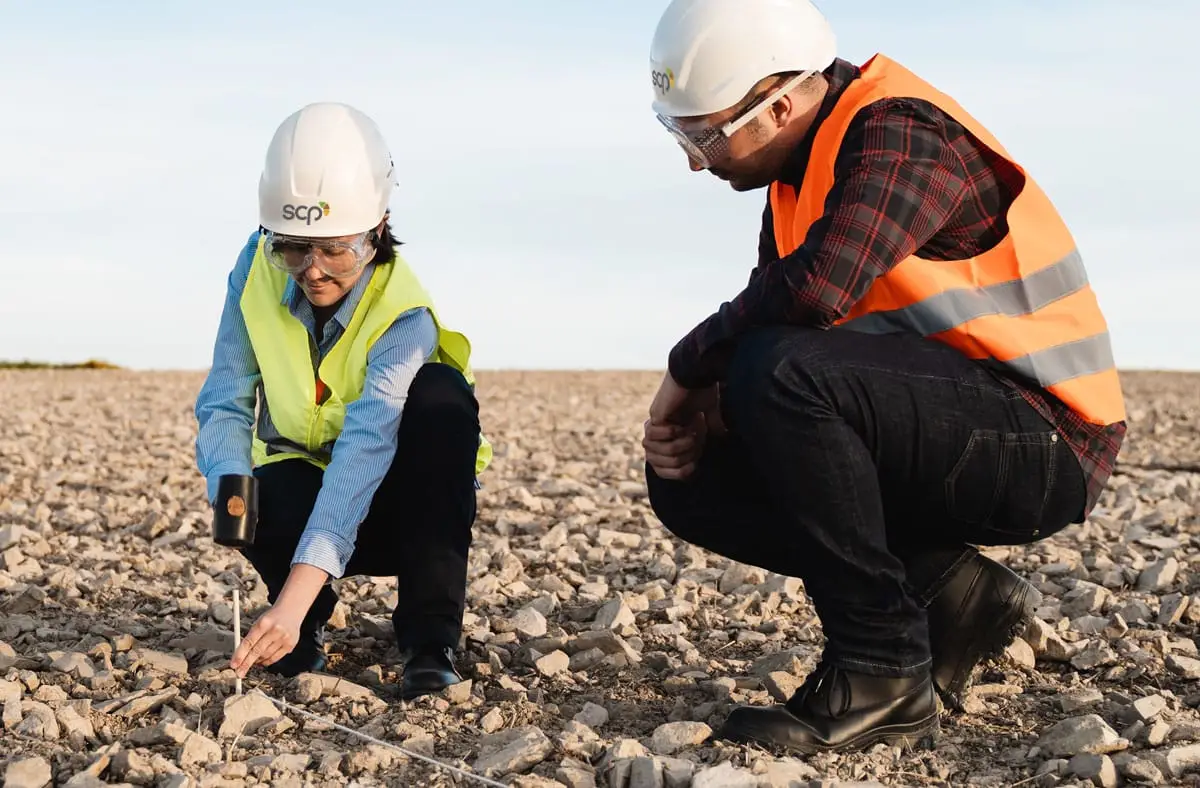
- An inspection of the site being studied to identify activities or facilities on the site itself or on neighbouring sites likely to have an environmental impact on the site being studied;
- Interviews with people likely to have information on the historical use of the site being studied;
- An assessment and a synthesis of information to identify potential contamination issues with the site being studied.
The Groupe SCP team has worked together for years and knows how to effectively manage Phase I ESA projects. Groupe SCP Environnement Inc. has developed project management processes, such as standardized Phase I report templates, ensuring that all elements needed for each type of study are covered and increasing the efficiency of producing and reviewing reports. Our team initiates the whole access to information application and request for historical documents process the same day as we receive notice from our clients that they have accepted our bid.
We have several databases, such as fire insurance plans, aerial photos and other historical plans. These speed the process of identifying potential elements of environmental risk. Sometimes we can even visit the site on the same day as we receive the acceptance notice.
When conducting a Phase I Environmental Site Assessment (ESA), it’s crucial to keep several key points in mind to ensure a comprehensive and accurate evaluation.
It is of utter importance to clearly define the scope and objectives of the Phase I ESA at the outset. Understand the purpose of the assessment, whether it’s for property transactions, regulatory compliance, or risk management. Establishing clear goals will guide the assessment process and help focus efforts on relevant environmental concerns.
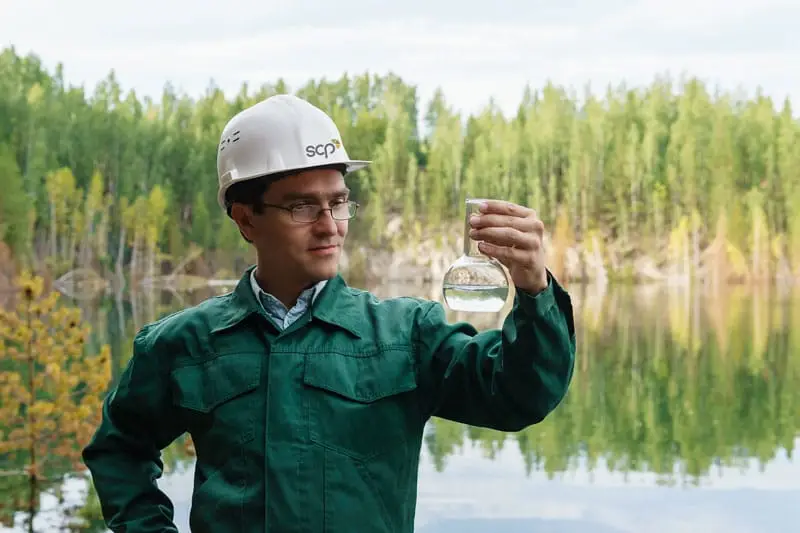
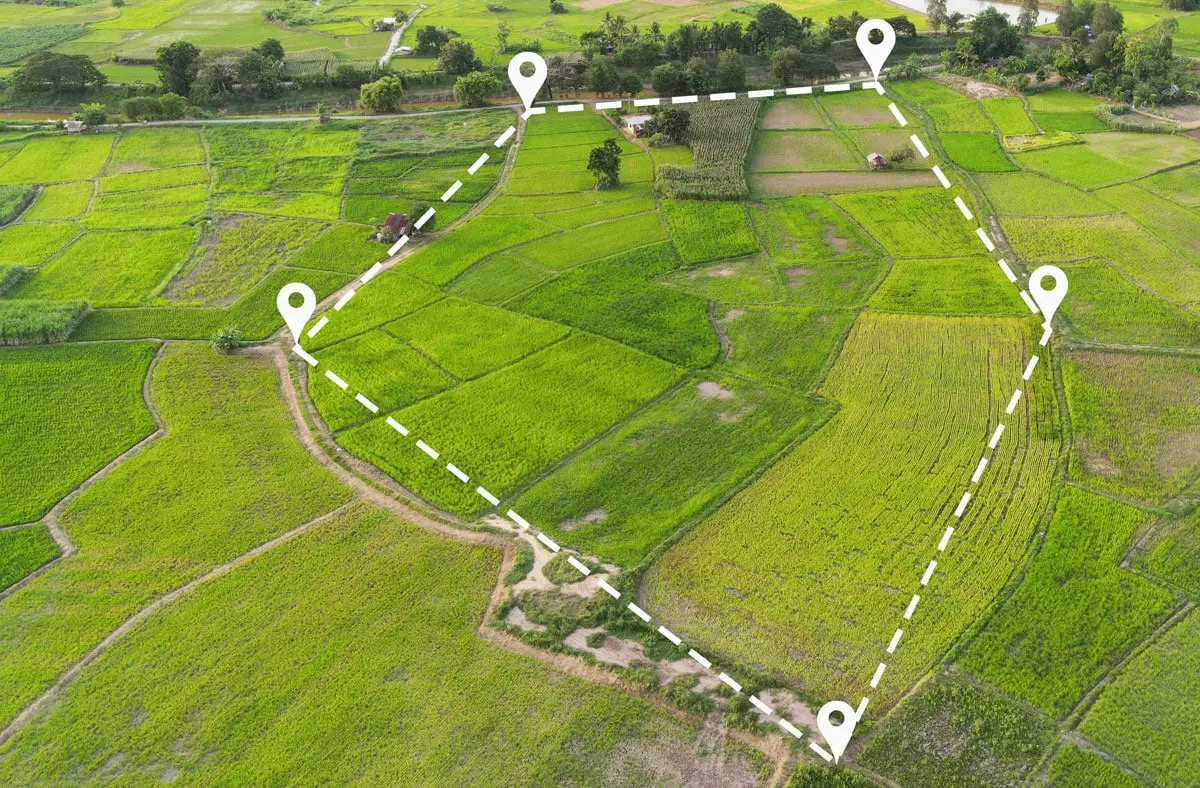

By keeping the following key points in mind, stakeholders can conduct a thorough and effective Phase I Environmental Site Assessment to identify potential environmental risks, protect human health and the environment, and make informed decisions about real estate transactions or development projects.
Historical Research: Thoroughly investigate the historical land use of the property and surrounding areas. Review historical records, aerial photographs, and regulatory databases to identify potential sources of contamination or environmental risks. Understanding past activities and land uses can provide valuable insights into potential environmental liabilities.
Site Inspection: Conduct a detailed site inspection to visually assess current conditions and identify potential environmental hazards. Look for signs of contamination, such as discoloured soil, unusual odours, or evidence of hazardous materials storage. Assess the proximity of the site to potential contamination sources, such as industrial facilities, landfills, or underground storage tanks.
Interviews and Stakeholder Engagement: Engage with relevant stakeholders, including current or former property owners, occupants, and local authorities. Conduct interviews to gather information about past activities, potential environmental concerns, and any known environmental incidents or spills. Stakeholder engagement can provide valuable insights and help corroborate information obtained through historical research and site inspections.
Regulatory Compliance: Ensure compliance with applicable environmental regulations and standards throughout the assessment process. Familiarize yourself with relevant local, state, and federal environmental laws, as well as industry best practices and guidelines. Adhering to regulatory requirements not only ensures the integrity of the assessment but also mitigates potential legal and financial risks associated with environmental liabilities.