
CONSTRUCTION FIELD REVIEW & QUALITY CONTROL

Environmental site characterization experts. Phase I & II assessment.

Engineering studies and materials quality control.

We carry out a multitude of tests on granular materials.

Building inspection and technical assessment, evaluation, and monitoring.
Engineering studies and materials quality control.
We carry out a multitude of tests on granular materials.
Building inspection and technical assessment, evaluation, and monitoring.
Construction Field Review & Quality Control
Groupe SCP’s construction division offers comprehensive expertise in construction site supervision and quality control.

Groupe SCP assists owners and managers of commercial, industrial, institutional and multi-residential buildings with work monitoring, quality control and verification of completed corrective measures.


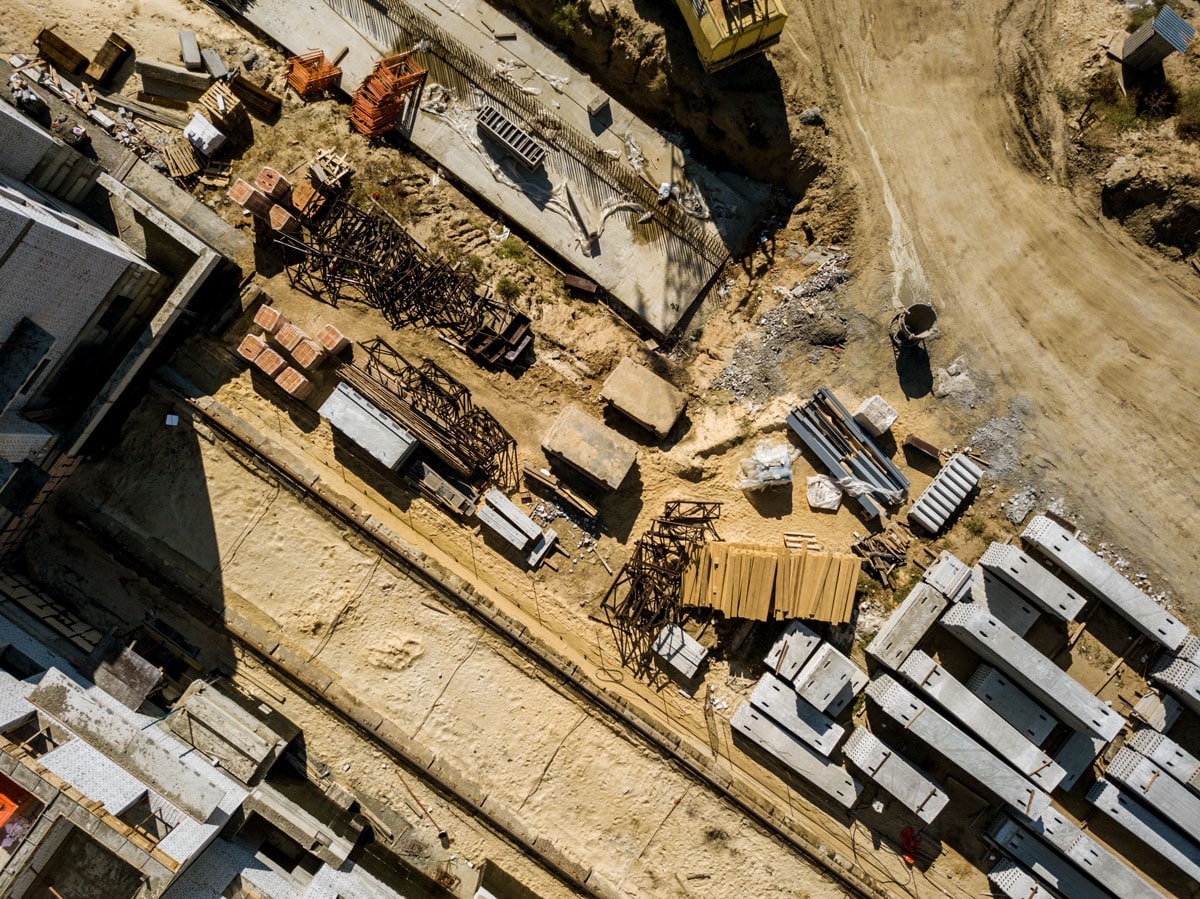
Construction Site Monitoring and Quality Control | Work Progress, Compliance and Project Closeout
Groupe SCP offers specialized work monitoring and quality control services to assist owners, property managers, professionals and project owners during the execution of construction, repair or rehabilitation work.
Good design alone is not enough. Well-prepared plans and specifications must also be executed in accordance with project requirements, specified materials and prescribed methods.
On a construction site, many variables can influence the final result: actual conditions, work sequencing, access, coordination between parties, quality of workmanship, changes, unforeseen conditions and existing constraints.
Work monitoring makes it possible to document progress, identify observed deviations and contribute to execution that is more consistent with the contract documents and project expectations.
An Independent Perspective Serving the Owner
The contractor is responsible for carrying out the work.
The monitoring professional has a different role.
They provide an independent technical perspective for the benefit of the owner or project owner, according to the terms of the mandate.
This independence can be particularly useful for documenting conditions, assessing deviations and verifying corrective measures.
It gives the owner greater visibility into what is actually happening during execution.
Groupe SCP | Work Monitoring and Quality Control
Groupe SCP assists owners, property managers and project owners with work monitoring and quality control for projects involving:
the building envelope, facades, roofs, concrete, parking structures, waterproofing and other building components.
Our approach is designed to provide structured follow-up throughout the important stages of the project.
- Observe.
- Document.
- Compare.
- Identify deviations.
- Follow up on corrective measures.
- Verify before closing.
- Participate in project closeout.
Because a well-designed project also deserves to be well executed.
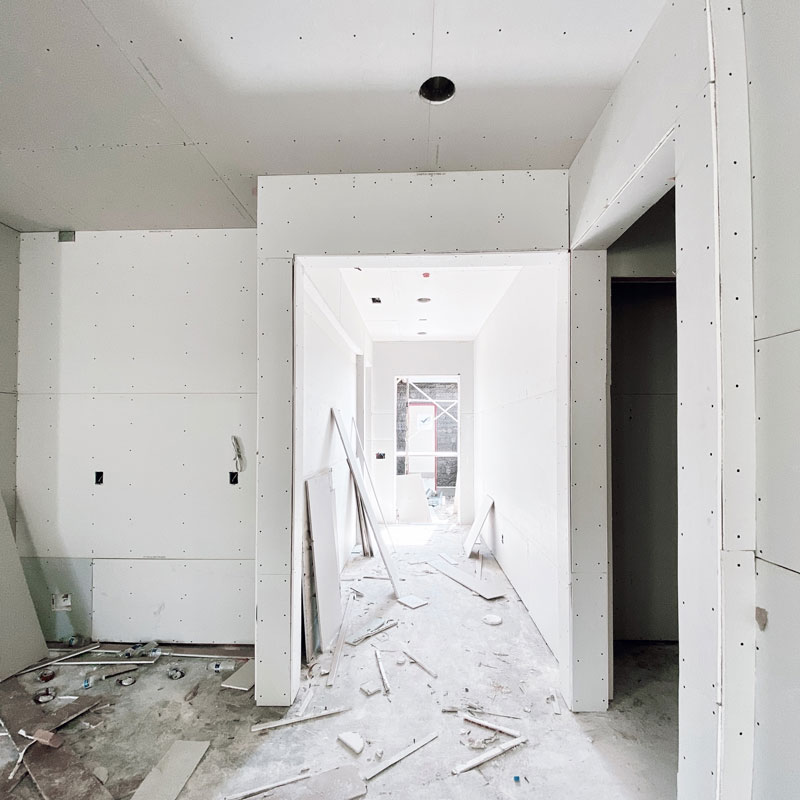

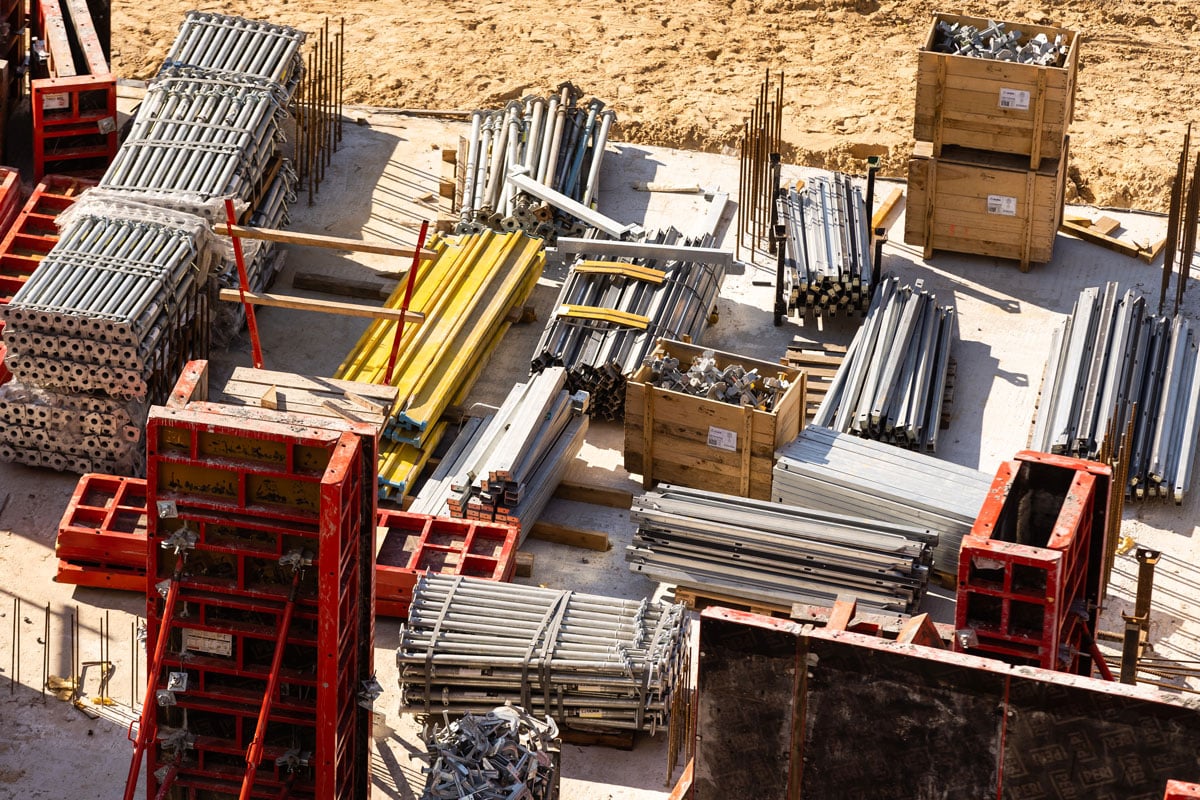
A Technical Presence During the Work
The construction or rehabilitation phase is when technical decisions become tangible.
- Plans.
- Specifications.
- Details.
- Products.
- Methods.
- Sequences.
- Coordination.
Monitoring provides a technical presence during this phase to verify observed conditions and document the execution of the work.
Depending on the scope of the mandate, site visits may include:
- Observing progress
- Verifying completed work
- Comparing certain interventions with project documents
- Identifying deviations or deficiencies
- Documenting site conditions
- Verifying certain stages before they are covered
- Following up on requested corrective measures
- Preparing site visit reports
- Participating in discussions with the various parties involved
The objective is not to replace the contractor in managing the construction site.
It is to provide the project owner with independent and structured technical monitoring.

Quality Control During Execution
Quality control is intended to verify that the work observed corresponds to the expected level of quality according to the mandate.
This may include the materials used, surface preparation, installation, connections, interfaces and certain critical stages.
An element may appear correct once the project is completed even though a deficiency is located behind the cladding or beneath a membrane.
This is why certain verifications must be carried out at the right time.
- Before closing.
- Before covering.
- Before the next stage.
Quality control becomes particularly useful when the future performance of a system depends heavily on the quality of its installation.
Building Envelope Work Monitoring
Work involving the building envelope often requires particular attention to execution details.
- Joints.
- Membranes.
- Flashings.
- Fenestration.
- Transitions.
- Connections.
- Cladding.
- Interfaces with the roof.
These elements must work together to maintain the waterproofing and durability of the building envelope.
Monitoring may include documenting:
- Surface preparation
- Membrane installation
- Joints and connections
- Details around openings
- Flashings
- Interfaces between materials
- Corrective measures applied to existing deficiencies
- Work before assemblies are closed
In this type of project, the quality of the details is often as important as the quality of the materials themselves.
Facade Rehabilitation Work Monitoring
Facade work may include masonry repairs, joints, anchors, concrete elements, cladding, fenestration or other exterior components.
Structured monitoring makes it possible to follow progress and document the interventions carried out.
Depending on the project, site visits may focus on:
- Demolition and preparation
- Condition of substrates
- Masonry repairs
- Replacement or correction of joints
- Anchors and fasteners
- Concrete repairs
- Installation of new components
- Waterproofing of interfaces
- Requested corrective measures
- Work before closing
This technical presence can be particularly important in projects where certain conditions only become visible after assemblies are opened.
Roof Work Monitoring
Roofing work involves several stages that can directly influence the future performance of the system.
- Preparation.
- Vapour barrier.
- Insulation.
- Membranes.
- Flashings.
- Drains.
- Parapets.
- Penetrations.
- Connections.
Monitoring can document installation and verify certain stages before they are covered.
Depending on the mandate, Groupe SCP may intervene to:
- Observe substrate preparation
- Verify certain materials
- Examine membrane details
- Verify connections
- Observe work around drains and penetrations
- Document deficiencies
- Follow up on requested corrections
- Participate in project closeout
A roof can be built with excellent materials and still perform poorly if certain details are improperly executed.
Quality control is specifically intended to reduce this risk.
Concrete Repair and Structural Work Monitoring
Concrete repair work also requires rigorous execution.
Demolition of deteriorated concrete.
Preparation.
Cleaning of reinforcement.
Repair or replacement when necessary.
- Application of products.
- Curing.
- Finishing.
Depending on the project, monitoring can help verify certain important stages before repairs are completed.
This may include:
- Preparation of work areas
- Extent of demolition
- Condition of reinforcement
- Cleaning and treatment
- Products used
- Placement of repair materials
- Finishing
- Corrective measures
- Photographic documentation
A successful repair depends as much on preparation and execution as on the repair product selected.
Parking Structure Work Monitoring
Parking structure rehabilitation work may involve slabs, cracks, joints, drainage, membranes, concrete, reinforcement and other components.
Monitoring can be particularly useful because several stages become invisible once repairs are completed.
Depending on the mandate, interventions may include:
- Surface preparation
- Localized demolition
- Concrete repairs
- Reinforcement treatment
- Joint rehabilitation
- Waterproofing work
- Drainage
- Corrective measures
- Work closeout
This approach helps provide better documentation of what was actually carried out on the structure.
Verification of Materials and Products
Quality control may also include verification of certain materials used on the construction site.
Depending on the project, it may be appropriate to confirm:
- Product type
- Manufacturer
- Reference
- Compatibility with project documents
- Installation method
- Application conditions
- Condition of the product before installation
A change in material may sometimes appear minor but have consequences for durability, compatibility or performance.
When a substitution is proposed, it should be evaluated within the context of the complete system.
Verification of Existing Conditions
Rehabilitation work often brings surprises.
Once cladding is removed or an opening is made, actual conditions may differ from what was visible before the work began.
- A substrate that is more deteriorated than expected.
- A missing membrane.
- A different interface.
- A concealed material.
- A previous repair.
These conditions may require an adaptation of the detail, a modification to the method or an additional intervention.
Monitoring makes it possible to document these observations and facilitate decision-making when adjustments become necessary.
Follow-Up of Deficiencies
When a deficiency is observed, it must be communicated and followed up.
The process may include identifying, documenting, communicating, correcting and verifying.
A site visit report can be used to document the points observed and the required corrective measures.
Subsequent visits can then verify whether the requested interventions have been completed.
This continuity is important.
Identifying a deficiency without following up on its correction leaves the process incomplete.
Construction Site Visit Reports
Documentation is an integral part of monitoring.
Depending on the mandate, a site visit report may include:
- Date and conditions of the visit
- Work observed
- Areas inspected
- Photographs
- Deficiencies identified
- Technical questions
- Requested corrective measures
- Work to be reviewed
- Items requiring follow-up
- General progress status
These reports create a history of the project and allow the various parties involved to maintain a structured record of the observations made.
Communication With Project Stakeholders
A construction project often brings together several parties.
- Owner.
- Property manager.
- General contractor.
- Subcontractors.
- Professionals.
- Suppliers.
- Consultants.
Good technical communication is essential to avoid misunderstandings and loss of information.
Monitoring can help structure discussions around deficiencies, technical questions, changes, corrective measures and priorities.
The objective is to help the parties involved work from clear and documented information.
Management of Changes and Unforeseen Conditions
Building work almost always involves some degree of uncertainty.
- A concealed condition appears.
- A specified material is no longer available.
- A detail must be adapted.
- A method must be modified.
In these situations, it becomes important to document what changed, why it changed and which solution was selected.
Monitoring helps maintain continuity between the original design and actual site conditions.
Monitoring and Quality Control as Risk Management Tools
A deficiency that goes undetected during the work can become much more difficult and costly to correct once the project is completed.
- Opening a wall.
- Removing a membrane.
- Dismantling cladding.
- Redoing a repair.
Quality control is intended, in part, to identify certain problems before they become permanently incorporated into the building.
For the owner, this approach can help reduce:
- Rework
- Concealed deficiencies
- Disputes
- Future corrective work
- Operational disruptions
- Unexpected costs
Monitoring therefore becomes a tool for managing technical and financial risks.