
WATERPROOFING AND WATER INFILTRATION

Environmental site characterization experts. Phase I & II assessment.

Engineering studies and materials quality control.

We carry out a multitude of tests on granular materials.

Building inspection and technical assessment, evaluation, and monitoring.
Engineering studies and materials quality control.
We carry out a multitude of tests on granular materials.
Building inspection and technical assessment, evaluation, and monitoring.
Waterproofing and Water Infiltration
Groupe SCP’s Building division is able to carry out inspection, diagnosis and cause investigation related to waterproofing and water infiltration.

Groupe SCP assists owners and managers of commercial, industrial, institutional and multi-residential buildings in identifying waterproofing problems, investigating sources of infiltration and planning appropriate corrective measures.
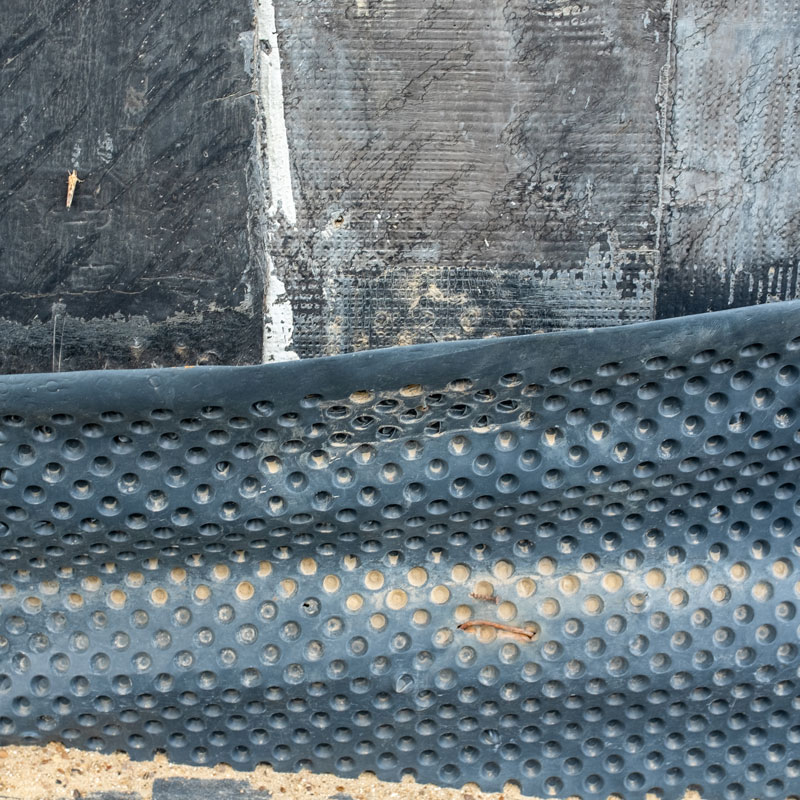

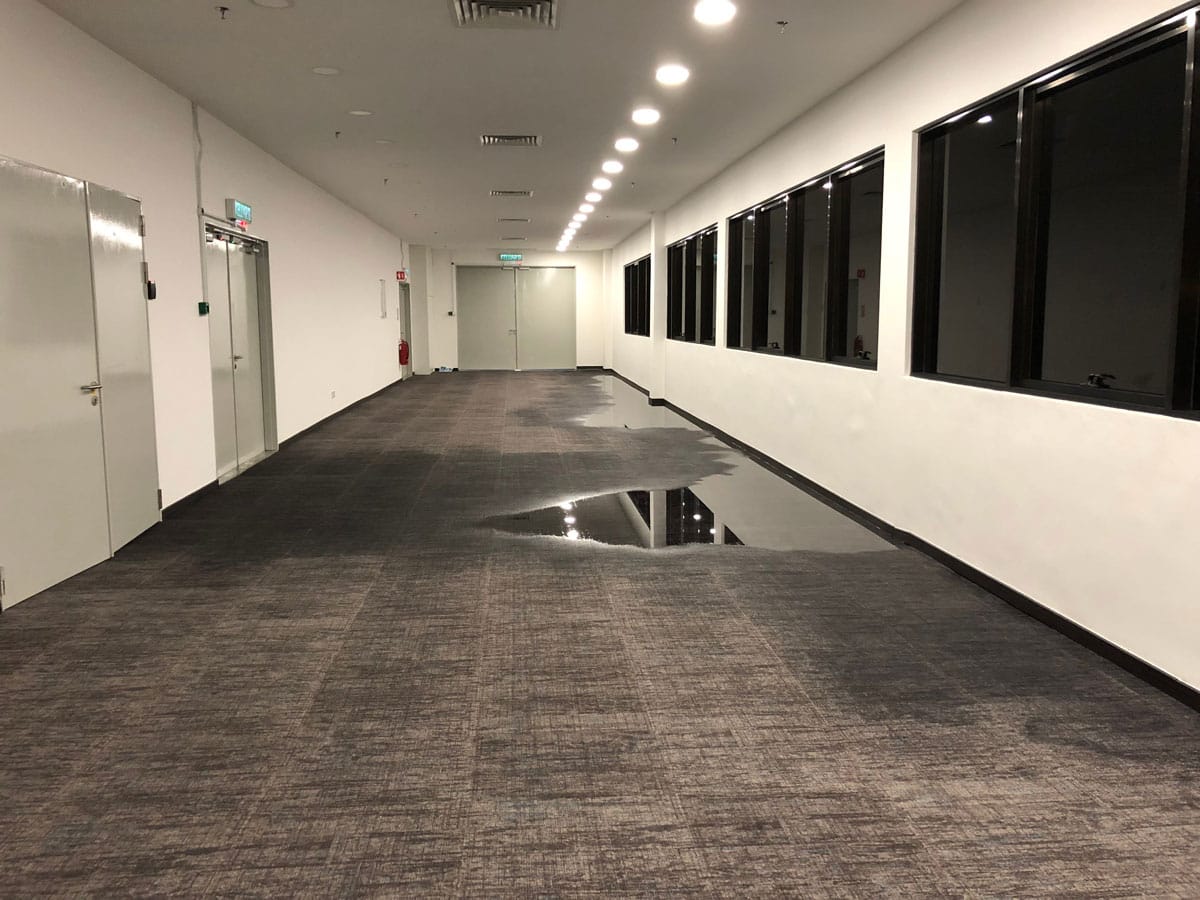
Waterproofing and Water Infiltration Expertise | Inspection, Diagnosis and Cause Investigation
Groupe SCP offers specialized waterproofing and water infiltration services to identify the source of moisture problems and water penetration affecting buildings.
Visible water infiltration inside a building does not necessarily mean that the point of water entry is located directly at the same place on the exterior.
Water can travel through different assemblies before becoming visible.
- Roofing.
- Facade.
- Fenestration.
- Foundation.
- Joints.
- Membranes.
- Flashings.
- Transitions between materials.
- Penetrations.
This is why an effective intervention begins with a methodical inspection of the building and a diagnosis aimed at determining the probable source of the infiltration, rather than simply repairing the visible damage.
Waterproofing Should Also Be Managed Preventively
It is not necessary to wait until water infiltration reaches the interior of the building before taking action.
A preventive inspection can help identify:
aging joints, cracks, deteriorated membranes, problematic flashings or other deficiencies before significant interior damage occurs.
For property owners and managers, this approach can help:
- Reduce emergency interventions
- Limit damage to materials
- Plan the work
- Establish priorities
- Prepare maintenance budgets
- Extend the service life of components
- Preserve building envelope performance
Waterproofing thus becomes a component of long-term building management, rather than a problem addressed only when a leak appears.
Groupe SCP | Waterproofing and Water Infiltration Expertise
Groupe SCP assists building owners, property managers and building professionals in investigating waterproofing and water infiltration problems.
Our approach is based on a simple logic:
- Observe.
- Investigate.
- Understand the path of the water.
- Identify the deficiencies.
- Determine the probable source.
- Recommend the appropriate corrective measures.
Whether an infiltration originates from the roof, a facade, a window, a foundation or an interface between several components, the first objective remains to understand the problem before taking action.
Because a water stain indicates where the infiltration becomes visible.
It does not necessarily reveal where it begins.
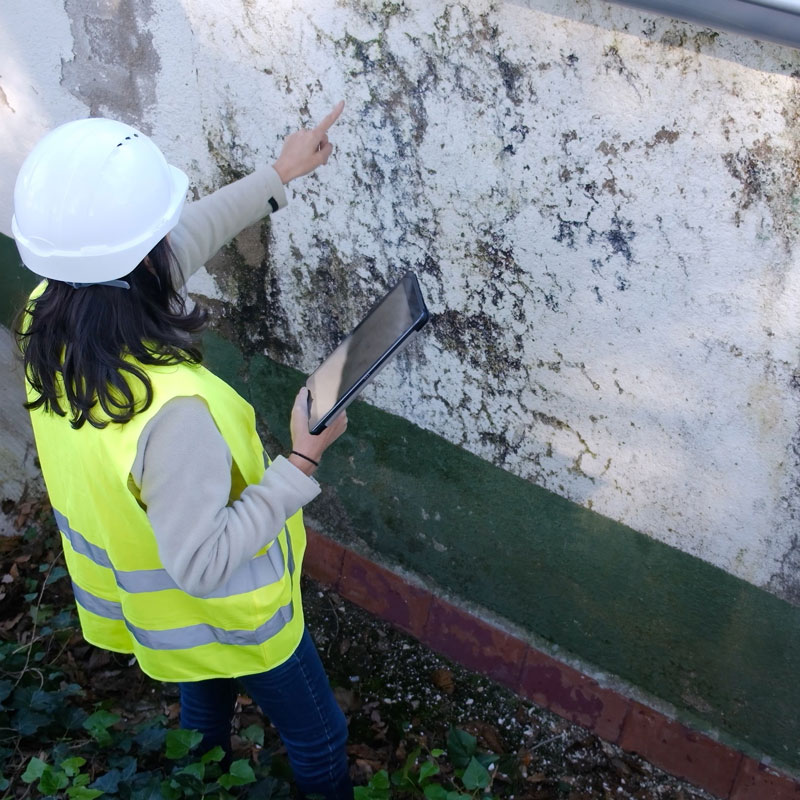
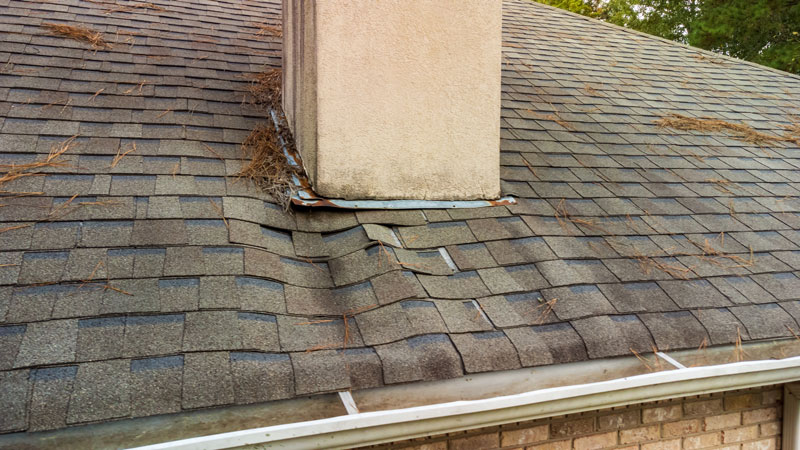
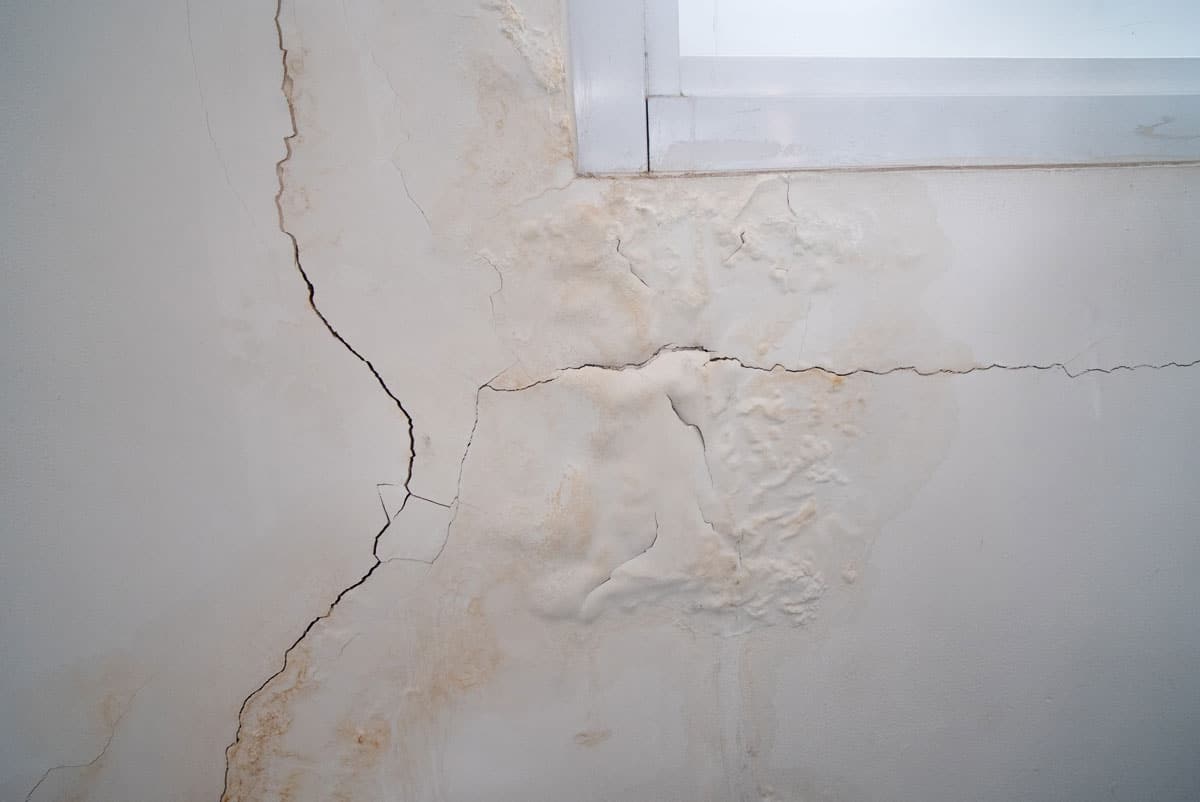
Finding the Source Before Repairing the Damage
A water stain on a ceiling indicates that there is a problem. It does not necessarily indicate where that problem is located.
Water can enter at one location, follow a building component, travel behind a cladding or along a structural element and become visible several metres away. This is what makes some water infiltration problems in buildings particularly difficult to diagnose.
Repairing only the area where the water appears can therefore give the impression that the problem has been resolved while the source remains active.
Groupe SCP’s approach consists of examining the building as a whole to better understand where water may enter, how it may travel and which deficiencies may be contributing to the observed problem.

Water Infiltration Inspection
An investigation may begin with an examination of the affected areas and the components that may be involved.
Depending on the nature of the building and the problem, the inspection may include:
- Roofs and interfaces with walls
- Facades and exterior walls
- Windows and doors
- Sealant joints
- Flashings
- Membranes
- Foundations
- Cracks
- Balconies and terraces
- Mechanical or electrical penetrations
- Drains and drainage systems
- Transitions between different materials
- Previous repairs
- Areas showing signs of moisture
The objective is to gather enough information to establish the potential causes of the infiltration and determine the next steps in the investigation.
Building Envelope Waterproofing Expertise
The building envelope forms the separation between the interior environment and exterior conditions. To ensure its performance, its various components must work together.
A facade may be in good overall condition but have a deficiency at an interface. A window may be functional but have a problem where it connects to the wall. A membrane may perform properly but have a weakness around a penetration.
Building waterproofing therefore depends largely on continuity between the different systems.
The inspection may pay particular attention to joints, connections, openings, penetrations, flashings and transitions between materials, since these areas may represent sensitive points in the building envelope.
Water Infiltration Through the Roof
The roof is naturally an important component when investigating infiltration originating from the upper levels of a building.
Various elements may be examined:
- Roofing membrane
- Joints
- Flashings
- Parapets
- Drains
- Penetrations
- Rooftop equipment
- Interfaces with walls
- Previous repairs
- Areas of water accumulation
- Signs of deterioration
The source of an infiltration may be localized or may result from a combination of deficiencies.
An appropriate investigation makes it possible to better target the intervention before undertaking repairs.
This expertise directly complements the roof inspection and monitoring services offered by Groupe SCP.
Infiltration Through Facades and Exterior Walls
Facades are continuously exposed:
to rain, wind, snow, freeze-thaw cycles and the significant temperature variations associated with Quebec’s climate.
As components age, some may lose their effectiveness.
- Deteriorated joints.
- Cracks.
- Damaged masonry.
- Deficient interfaces.
- Problematic flashings.
- Openings in assemblies.
Infiltration originating from a facade can be particularly difficult to identify because wind-driven rain can enter through an opening located relatively far from where the damage becomes visible.
A building envelope inspection can help identify these clues and provide a better understanding of the potential paths of water penetration.
Windows, Doors and Other Openings
Fenestration is another important area in waterproofing management.
Water infiltration around a window does not automatically mean that the window itself is defective.
The problem may also originate from perimeter joints, flashings, interfaces with the exterior cladding or a deficiency located higher on the facade.
The inspection may include:
- Condition of joints
- Connections with the wall
- Accessible flashings
- Deterioration of adjacent materials
- Signs of water or moisture
- Condition of interfaces
- Previous repairs
This distinction is important before recommending replacement of a component that may not be the true source of the problem.
Water Infiltration Through Foundations
Basements and lower levels can also experience water problems originating from the exterior environment.
Potential causes may include cracks, joints, penetrations, foundation waterproofing, drainage or various construction interfaces.
Observed signs may include:
- Visible infiltration
- Moisture
- Efflorescence
- Staining
- Concrete deterioration
- Cracks
- Deterioration of certain interior finishes
An inspection makes it possible to document these conditions and assess the elements that may be contributing to the problem.
Again, the principle remains the same:
understand the infiltration mechanism before determining the corrective measure.
Joints, Flashings and Interfaces: Critical Areas to Monitor
Waterproofing problems frequently develop where two systems meet.
- Wall and window.
- Roof and parapet.
- Masonry and another cladding.
- Foundation and exterior wall.
- Equipment and membrane.
- These transitions require proper continuity of the waterproofing systems.
Over time, building movement, temperature variations and material aging can affect some of these interfaces.
Careful inspection of joints, flashings and connections can therefore identify deficiencies that may appear relatively minor visually but can have significant consequences for water management.
Diagnosis of Recurring Water Infiltration
Some infiltrations become particularly problematic because they reappear despite several repairs.
- A joint is replaced.
- A crack is sealed.
- A section of membrane is repaired.
- Then the water returns.
This situation may indicate that previous interventions treated a symptom rather than the actual source.
In these cases, it becomes particularly important to examine the history of the problem, previous repairs, weather conditions associated with the infiltration and the different components that may be involved.
An infiltration that occurs only during wind-driven rain, for example, may direct the investigation differently from a problem that appears during snowmelt.
The history of the problem therefore represents valuable technical information.
Water Testing and Targeted Investigations
When a visual inspection alone does not sufficiently isolate the source of an infiltration, additional investigations may be considered depending on the situation.
Targeted testing can be used to reproduce certain conditions and observe the behaviour of suspected components.
The objective is not simply to put water on the building.
An investigation must be structured to progressively isolate areas and allow for meaningful interpretation of the results.
Depending on the mandate and the nature of the problem, other investigation methods may also be recommended.
The choice of method must always be adapted to the building and the problem observed.
Moisture and Damage to Materials
Persistent infiltration can affect more than the interior appearance.
Moisture can contribute to the deterioration of various materials and assemblies.
- Insulation.
- Gypsum.
- Wood.
- Metals.
- Concrete.
- Claddings.
- Adhesives.
- Finishes.
The actual extent of the damage may sometimes be greater than what is visible at the surface.
An investigation may therefore require assessing not only the source of the water, but also the areas and materials that may have been affected.
This helps to better define the extent of the corrective work required.
Inspection Report and Corrective Recommendations
Depending on the nature of the mandate, Groupe SCP can document its observations and recommendations in a technical report.
This report may include:
- The nature of the reported problem
- Areas inspected
- Observations made
- Deficiencies identified
- Photographic documentation
- Potential sources identified
- Recommended additional investigations
- Corrective measures to consider
- Intervention priorities
This documentation provides owners and managers with a technical basis for making decisions and planning the work.
It can also facilitate discussions with contractors, professionals, managers and other parties involved in resolving the problem.
Planning Waterproofing Work
Once the source or deficiencies have been identified, corrective measures can be planned in a much more targeted manner.
Depending on the problem, interventions may include:
- Joint repairs
- Crack repairs
- Flashing corrections
- Membrane repairs
- Work on fenestration
- Localized facade repairs
- Correction of certain interfaces
- Foundation work
- Drainage corrections
- Roofing work
The objective is not necessarily to undertake the most extensive work.
It is to carry out the work appropriate to the identified problem.
This approach can reduce unnecessary interventions and decrease the risk of the infiltration recurring after repairs.
Monitoring Corrective Work
When work is undertaken to correct a waterproofing problem, monitoring can also represent an important step.
Some components become difficult or impossible to observe once the work is completed.
- Membranes.
- Flashings.
- Joints.
- Interfaces.
- Surface preparation.
- Connections.
Monitoring during the work makes it possible to document certain stages and verify the implementation of the planned corrective measures.
This approach is particularly relevant for complex or recurring infiltration problems.