
BUILDING ENVELOPE, EXPERTISE, INSPECTION & DIAGNOSTIC

Environmental site characterization experts. Phase I & II assessment.

Engineering studies and materials quality control.

We carry out a multitude of tests on granular materials.

Building inspection and technical assessment, evaluation, and monitoring.
Engineering studies and materials quality control.
We carry out a multitude of tests on granular materials.
Building inspection and technical assessment, evaluation, and monitoring.
Building Envelope Services | Inspection, Assessment & Diagnosis
Groupe SCP’s building division offers comprehensive expertise in the inspection and assessment of building envelopes.

Our building envelope services focus on watertightness, material durability, building performance and the long-term integrity of commercial, industrial, institutional and multi-residential properties.
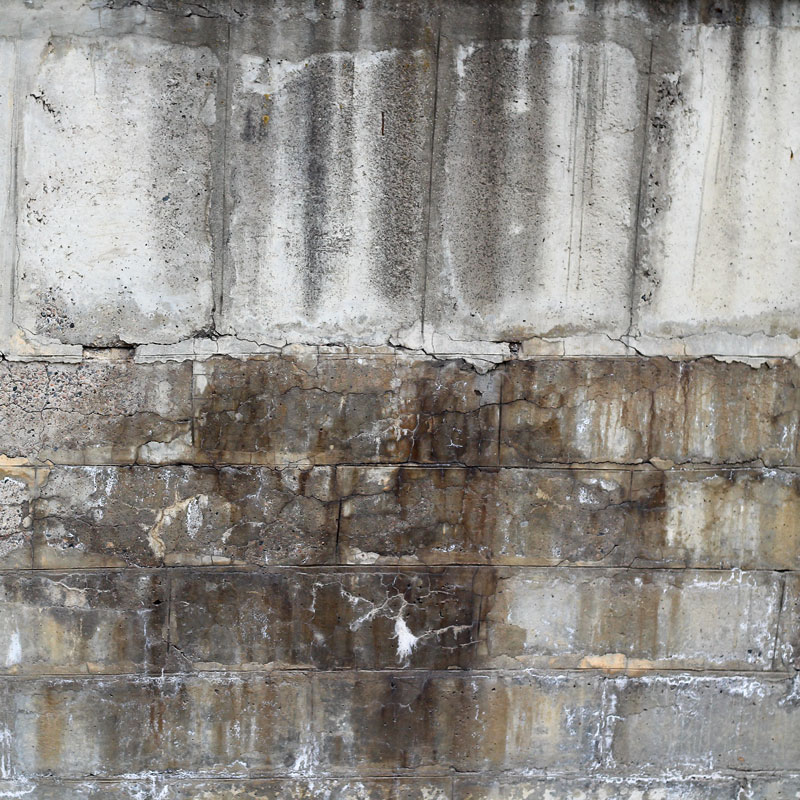


Building Envelope Inspection, Assessment and Diagnostic Services
Groupe SCP provides specialized building envelope inspection and assessment services to evaluate exterior building components, identify deficiencies, investigate potential causes of water infiltration, and support the planning of corrective or rehabilitation work.
Our services help building owners, property managers, contractors and other construction professionals better understand the condition of existing assemblies and make informed decisions regarding maintenance, repairs and long-term asset protection.
Building Envelope Inspection and Diagnostic Assessment
Our professionals perform building envelope inspections to evaluate the condition of exterior components and identify signs that may indicate deterioration or performance problems.
Depending on the building and the scope of the mandate, the inspection may include:
- Visual inspection of façades and exterior walls
- Review of joints and sealants
- Inspection of windows, doors and openings
- Identification of signs of water infiltration
- Observation of cracks and visible deterioration
- Assessment of material condition
- Identification of moisture-affected areas
- Review of interfaces between building components
- Photographic documentation of deficiencies
- Technical reporting with observations and recommendations
The objective is to provide the owner or property manager with an objective assessment of the building envelope condition and a clearer basis for decision-making.
Prevent Water Infiltration and Extend Building Service Life
Periodic inspection of the building envelope can help identify developing deficiencies before they result in more significant damage.
A preventive approach can contribute to:
- Reducing the risk of water infiltration
- Limiting material deterioration
- Identifying repair priorities
- Planning maintenance budgets
- Extending the useful life of building components
- Improving long-term asset management
For owners and managers of commercial, industrial, institutional and multi-residential buildings, this approach also makes future rehabilitation projects easier to plan and budget.
Groupe SCP | Building Envelope Expertise
Groupe SCP assists building owners, property managers and construction professionals with the inspection, assessment and diagnosis of building envelope systems.
Our approach is structured around a simple process:
- Inspect.
- Document.
- Identify deficiencies.
- Investigate likely causes.
- Recommend appropriate next steps.
Whether the issue involves:
façades, exterior walls, windows, joints, membranes, water infiltration or other envelope components,
the objective is to provide clear technical information that supports better maintenance, repair and rehabilitation decisions.
Because a building envelope problem is rarely just about what can be seen on the surface.
Understanding how the components work together is what leads to a better diagnosis.
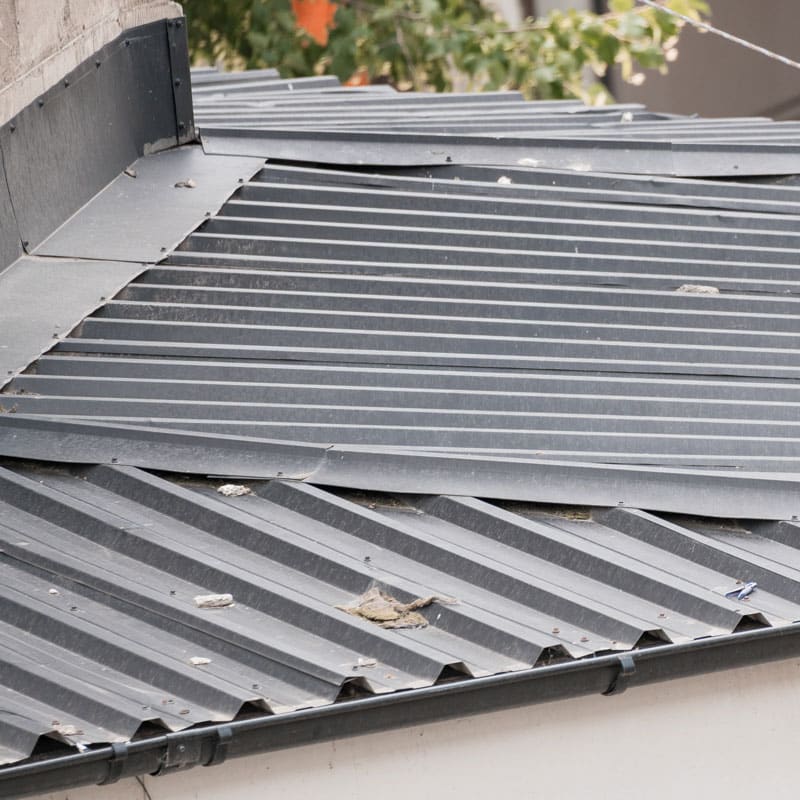
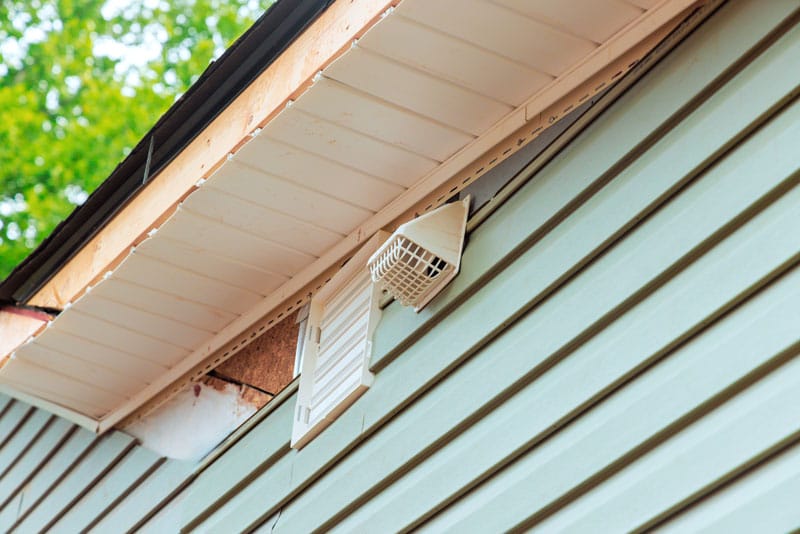
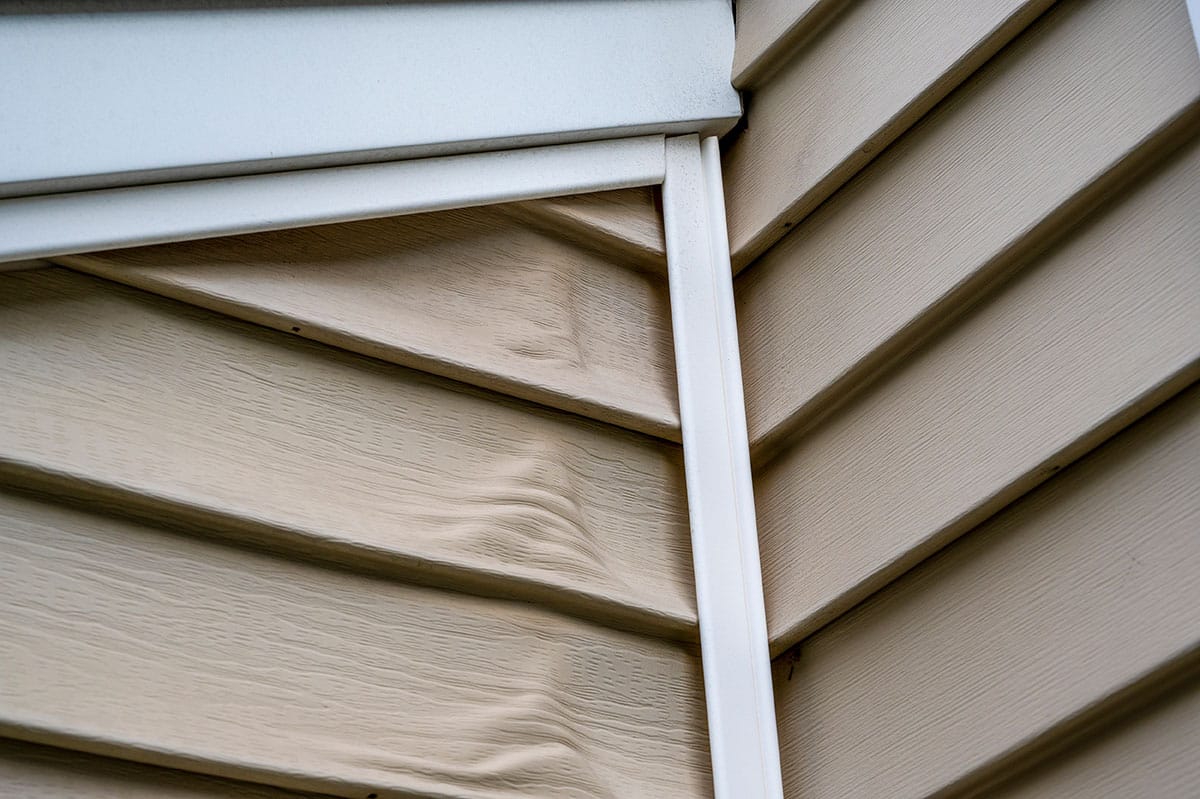
Comprehensive Building Envelope Inspection and Expertise
The building envelope forms the separation between the interior environment and exterior conditions.
It can include exterior walls, façades, windows, doors, joints, flashings, membranes, insulation and other components that contribute to the protection and performance of the building.
Deficiencies in the envelope can lead to water infiltration, premature material deterioration, moisture problems, reduced thermal performance and damage to adjacent building components. Through a multidisciplinary approach, Groupe SCP performs inspections and assessments designed to identify visible deficiencies, investigate their potential causes and recommend appropriate next steps.
Our services are intended for commercial, industrial, institutional and multi-residential buildings.

Water Infiltration and Building Envelope Watertightness
Water infiltration can originate from many different parts of the building envelope.
The location where water becomes visible inside the building is not always the actual point where it entered.
Potential sources may include:
- Windows.
- Façades.
- Joints.
- Flashings.
- Roof-to-wall transitions.
- Membranes.
- Openings and penetrations.
- An investigation can help identify likely water-entry paths and deficiencies that may be contributing to the problem.
Groupe SCP can assist with:
- Investigation of potential infiltration sources
- Inspection of watertightness systems
- Evaluation of joints and interfaces
- Identification of deteriorated components
- Documentation of observed damage
- Assessment of possible corrective measures
- Recommendations for repair or rehabilitation work
The objective is to avoid correcting only the visible damage while leaving the actual source of the problem unresolved.
Façade and Exterior Wall Assessment
Building façades are continuously exposed to environmental conditions.
- Rain.
- Wind.
- Snow.
- Freeze-thaw cycles.
- Temperature changes.
- Moisture.
- Material aging.
- Over time, these conditions can contribute to the deterioration of materials and assemblies.
Our inspections may identify:
- Cracks and openings
- Deteriorated joints
- Material degradation
- Signs of water infiltration
- Watertightness deficiencies
- Deteriorated interfaces
- Areas requiring further investigation
These observations can help establish priorities and support the planning of maintenance, repair and rehabilitation work.
Windows, Openings and Building Interfaces
Windows, doors and other openings are important components of the building envelope.
The performance of joints, flashings, membranes and transitions between materials can directly affect their ability to resist water infiltration and environmental exposure.
An inspection may include a review of:
- Perimeter sealant joints
- Connections between windows and exterior walls
- Visible flashings and watertightness components
- Signs of infiltration around openings
- Deterioration of adjacent materials
- Interfaces between different building systems
The findings can help identify where corrective work may be required and support a broader envelope rehabilitation strategy.
Joints, Flashings and Transition Details
Many envelope failures occur at interfaces rather than in the middle of large surface areas.
Typical transition zones include wall-to-window connections, wall-to-roof transitions, changes between cladding materials, penetrations and foundation interfaces.
These areas rely on the continuity of sealants, membranes, flashings and drainage provisions. With time, movement and exposure can affect their performance.
A focused inspection of these transition details can reveal deficiencies that may appear minor visually but have a significant effect on water management.
Building Envelope Rehabilitation Planning
Once deficiencies have been identified, the next step is determining the appropriate corrective strategy.
In some cases, a localized repair may be sufficient.
In others, the extent of deterioration, repeated infiltration or the age of the system may justify more substantial rehabilitation.
Groupe SCP can assist owners and managers with:
- Identification of deficiencies
- Assessment of their apparent extent
- Prioritization of interventions
- Evaluation of corrective options
- Development of technical recommendations
- Planning of repair or rehabilitation work
- Follow-up of known building envelope conditions
This approach helps base decisions on the actual condition of the building, rather than waiting until problems become urgent.
Building Envelope Investigation Before Rehabilitation
Existing buildings can contain hidden conditions that are not visible during a general visual inspection.
Depending on the project, additional investigation may be appropriate to better understand wall composition, hidden membranes, anchorage, interfaces, insulation or previous repair work.
This can include:
- Review of available drawings
- Review of previous inspection reports
- Targeted exploratory openings
- Material observations
- Photographic documentation
- Comparison with existing construction details
A better understanding of the existing assembly can reduce uncertainty before repair or rehabilitation work begins.