
ENVIRONMENTAL REMEDIATION

Environmental site characterization experts. Phase I & II assessment.

Engineering studies and materials quality control.

We carry out a multitude of tests on granular materials.

Building inspection and technical assessment, evaluation, and monitoring.
Engineering studies and materials quality control.
We carry out a multitude of tests on granular materials.
Building inspection and technical assessment, evaluation, and monitoring.
Environmental remediation services
Discover our knowledgeable approach to environmental remediation.

Groupe SCP’s expertise in the field of environmental remediation is extensive.
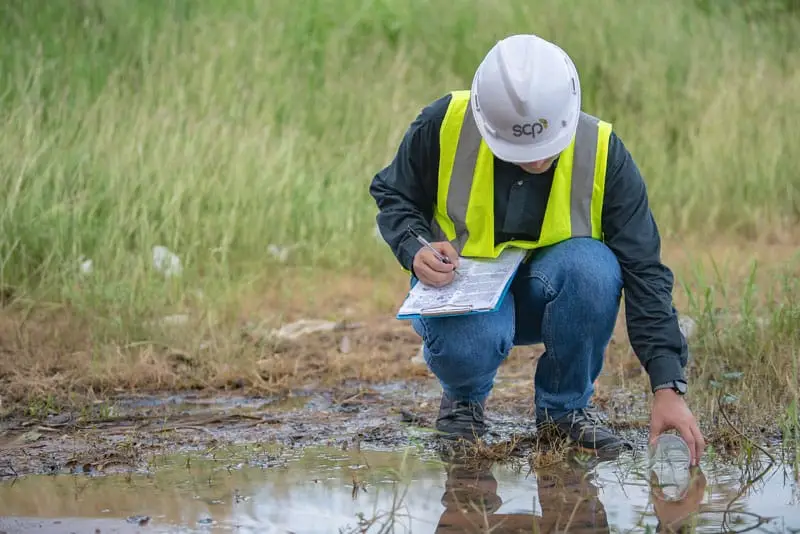

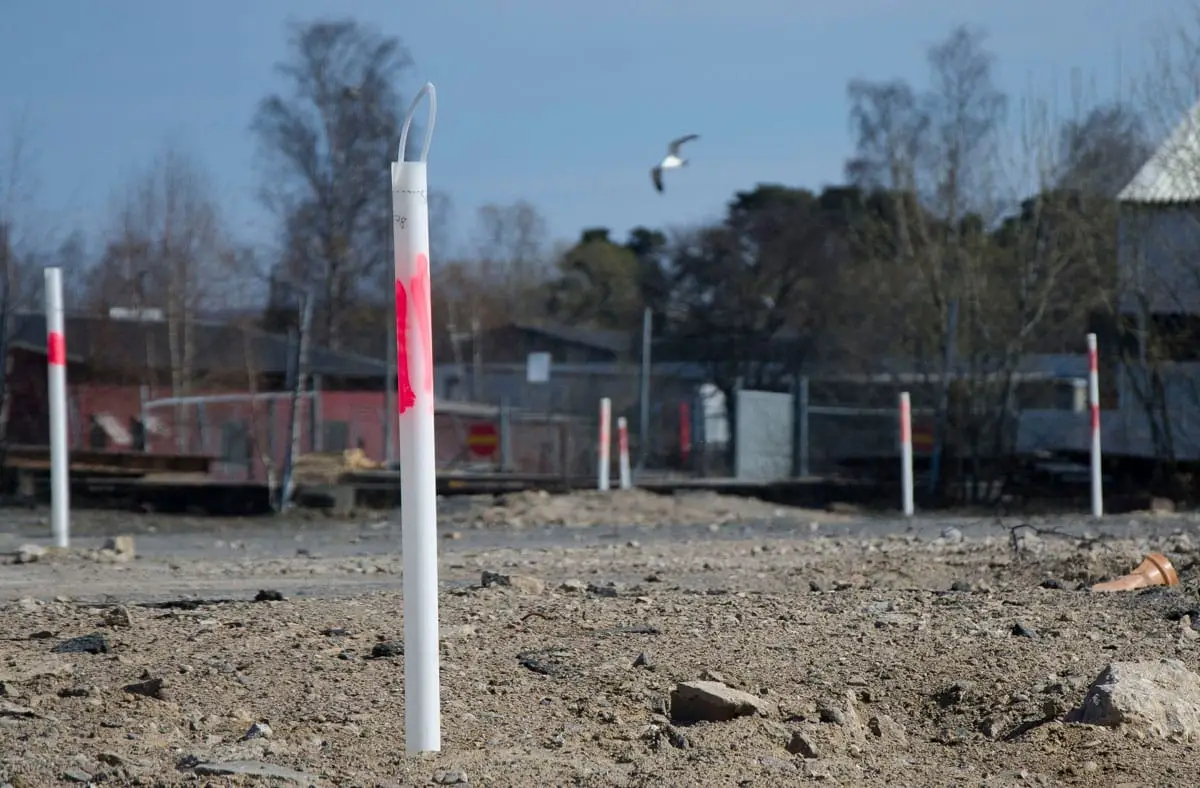
Our process consists of restoring the premises to their original state after a contamination problem is found.
This normally includes excavation and disposal of the contaminated soil, but may also include removing underground tanks, hazardous material and various debris, free-phase removal and biodegradation of contaminated soil by organic phases.
Environmental rehabilitations are carried out in compliance with MELCC guides and procedures (Politique de protection et de réhabilitation des terrains contaminés, Guide d’échantillonnage à des fins d’analyses environnementales, Guide d’intervention – Protection des sols et réhabilitation des terrains contaminés and Guide de caractérisation des terrains) and CCME recommendations.
Groupe SCP’s team has worked together for years and knows how to effectively manage environmental rehabilitation projects.

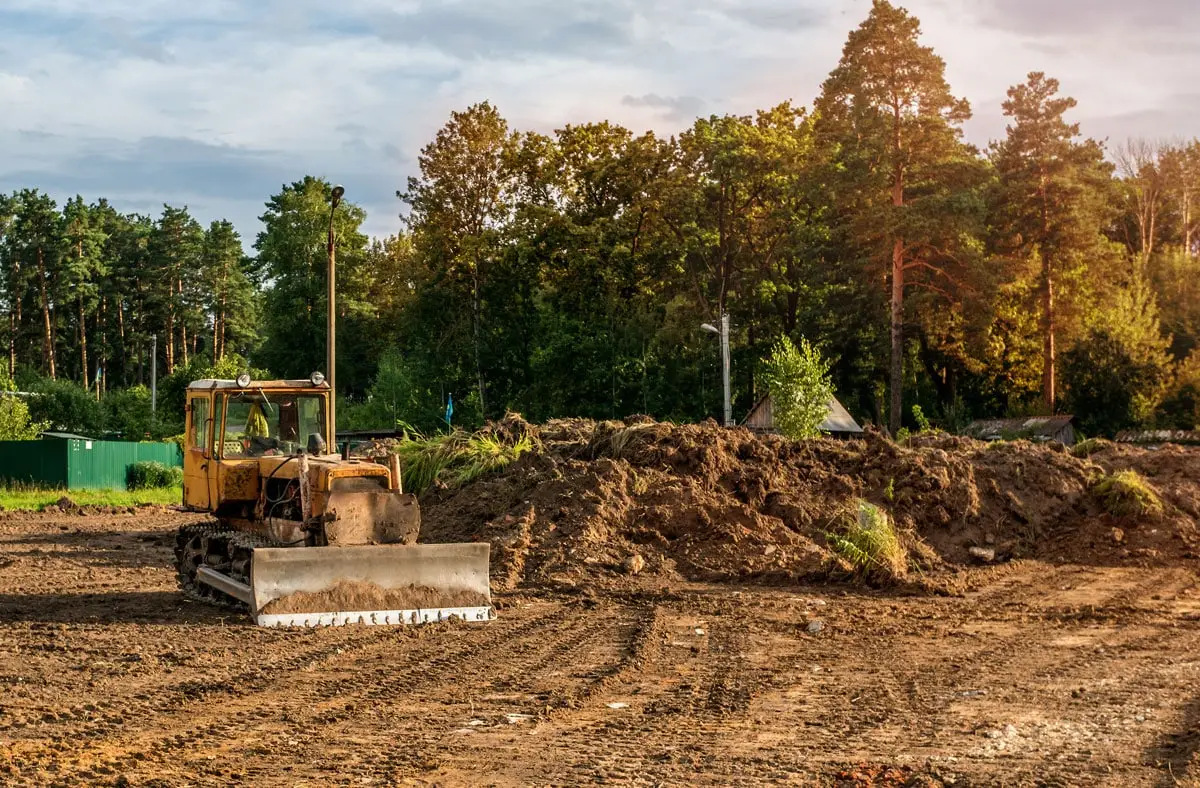

Here are some of the key points to consider when undertaking environmental remediation.
Site Assessment and Characterization: Conduct a comprehensive assessment of the site to identify the nature, extent, and severity of contamination. This involves collecting and analyzing soil, groundwater, surface water, sediment, and air samples to determine the types and concentrations of contaminants present. Characterizing the site helps in understanding the potential risks to human health and the environment, as well as in designing appropriate remediation strategies.
Remediation Strategy Selection: Based on the findings of the site assessment, select the most suitable remediation strategy or combination of strategies to address the contamination effectively. Remediation options may include physical methods (such as excavation and soil removal), chemical treatments (such as oxidation or bioremediation), or engineering controls (such as containment or groundwater pumping). Consider factors such as site conditions, contaminant properties, regulatory requirements, and stakeholder concerns when choosing remediation techniques.
Implementation and Monitoring: Implement the selected remediation strategy according to established plans and protocols. Monitor the progress of remediation activities closely to ensure that they are conducted safely, efficiently, and in compliance with regulatory standards. Regular monitoring and sampling of soil, groundwater, and other environmental media are essential to track the effectiveness of remediation efforts and verify that cleanup goals are being achieved.
Risk Management and Stakeholder Communication: Communicate effectively with stakeholders, including regulatory agencies, local communities, property owners, and other relevant parties throughout the remediation process. Provide transparent information about the nature of the contamination, remediation activities, and potential risks to human health and the environment. Engage stakeholders in decision-making processes and address their concerns to build trust and support for remediation efforts.