
MATERIALS QUALITY CONTROL

Environmental site characterization experts. Phase I & II assessment.

Engineering studies and materials quality control.

We carry out a multitude of tests on granular materials.

Building inspection and technical assessment, evaluation, and monitoring.
Engineering studies and materials quality control.
We carry out a multitude of tests on granular materials.
Building inspection and technical assessment, evaluation, and monitoring.
Laboratory Services | Concrete Testing
We provide concrete testing and offer a wide range of additional materials quality control services.

The primary focus is on assessing the properties and performance of concrete mixtures to ensure compliance with specifications, standards, and project requirements.
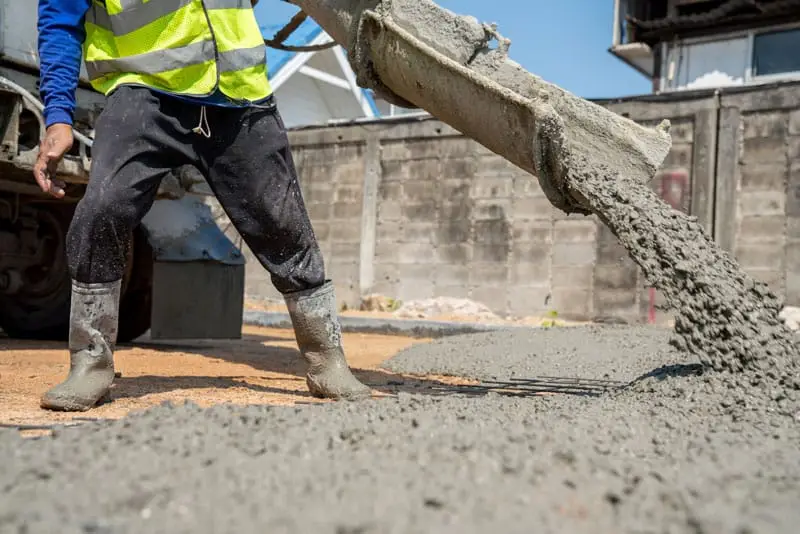


Concrete testing is essential for quality control and quality assurance in construction projects, as it provides valuable insights into the strength, durability, and workability of concrete materials.
Here are key aspects of laboratory concrete testing:
Compressive Strength Testing: Compressive strength testing is a fundamental method used to evaluate the load-bearing capacity of concrete. Specimens of concrete are cast and cured under controlled conditions before being subjected to compressive loading in a hydraulic testing machine. The maximum load at failure is recorded and used to calculate the compressive strength of the concrete, typically expressed in pounds per square inch (psi) or megapascals (MPa). Compressive strength testing is crucial for assessing concrete quality, verifying design requirements, and ensuring structural integrity.
Flexural Strength Testing: Flexural strength testing measures the ability of concrete to resist bending or tensile stresses. Beam specimens are cast and cured before being loaded in a flexural testing machine, which applies a bending moment to the specimen until failure occurs. The maximum load and corresponding deflection are recorded to calculate the flexural strength of the concrete. Flexural strength testing is important for evaluating the performance of concrete in structural elements subjected to bending, such as beams, slabs, and walls.
Workability and Consistency Testing: Workability and consistency tests assess the ease of handling, placing, and finishing fresh concrete mixtures. Tests such as the slump test, flow table test, and Vebe consistometer test measure the flowability, consistency, and compactability of concrete under specified conditions. Workability testing helps optimize concrete mix designs, control the placement process, and ensure that concrete can be properly placed and consolidated on-site.
Durability Testing: Durability testing evaluates the resistance of concrete to various deterioration mechanisms, including freeze-thaw cycles, chemical attack, abrasion, and alkali-silica reaction. Tests such as the rapid chloride permeability test, water absorption test, and sulfate resistance test assess the permeability, absorption, and chemical resistance of concrete specimens exposed to aggressive environments. Durability testing is essential for assessing the long-term performance and service life of concrete structures in challenging environmental conditions.
Quality Control and Compliance Testing: Laboratory concrete testing plays a critical role in quality control and compliance verification throughout the construction process. Concrete samples are routinely tested to ensure that mix proportions, materials, and construction practices meet project specifications and regulatory requirements. Quality control testing helps identify potential issues, optimize mix designs, and ensure that concrete structures meet performance expectations and safety standards.
Overall, laboratory concrete testing is a comprehensive process that involves evaluating various properties and characteristics of concrete to ensure quality, performance, and durability in construction projects. By conducting rigorous testing and analysis, engineers and technicians can optimize concrete mix designs, assess structural integrity, and enhance the long-term sustainability of concrete structures.
Material Sampling
There are a number of contaminants that may have to be sampled in order to determine whether there is a risk for a building or the health of its occupants. These include asbestos, lead, moulds and pyrite.
Asbestos: The use of construction material containing asbestos stopped in the mid-1970s, but asbestos is still used to manufacture floor and ceiling tiles and certain cement-based materials.
Lead: Around 1976, the lead content in interior paint was limited to 0.5% by units of weight (500 mg/kg). However, until the 1960s paints could contain up to 50% lead by a unit of weight. Lead also used to be commonly used for welding and fabricating some plumbing pipes.
Moulds: Moulds are a cause of respiratory illnesses that have also made headlines in Québec in recent years when the government has been obliged to close schools due to the presence of moulds.
Pyrite: In the late 1980s, problems with pyrite made headlines in Québec. A number of homeowners discovered that the foundations of their homes were affected by swelling of the pyrite contained in the granular fill under the concrete slab. Sampling of this material is used to determine whether the granular fill presents a major potential for swelling that could cause obvious defects in the building or concrete sulfation likely to cause visible lifting of the concrete slab and justify refurbishment work.
Groupe SCP Environnement Inc. has the necessary expertise to establish a sampling program and to take the samples needed to establish the presence of these contaminants.

Asbestos

Lead

Moulds

Pyrite