
ACHIEVEMENTS

Environmental site characterization experts. Phase I & II assessment.

Engineering studies and materials quality control.

We carry out a multitude of tests on granular materials.

Building inspection and technical assessment, evaluation, and monitoring.
Engineering studies and materials quality control.
We carry out a multitude of tests on granular materials.
Building inspection and technical assessment, evaluation, and monitoring.
Environmental site assessment achievements
Groupe SCP has carried out environmental site assessment projects in these commercial and industrial sectors.

- Real estate transactions
- Building construction and demolition
- Quarries and sandpits
- Waste recycling
- Golf courses and green spaces
- Aviation and airports
- Mines and metallurgy
- Oil and gas
- Mining and petroleum exploration
- Chemical and petrochemical
- Factories
- Highway construction
- Telecommunications
- Food
- Pulp and paper


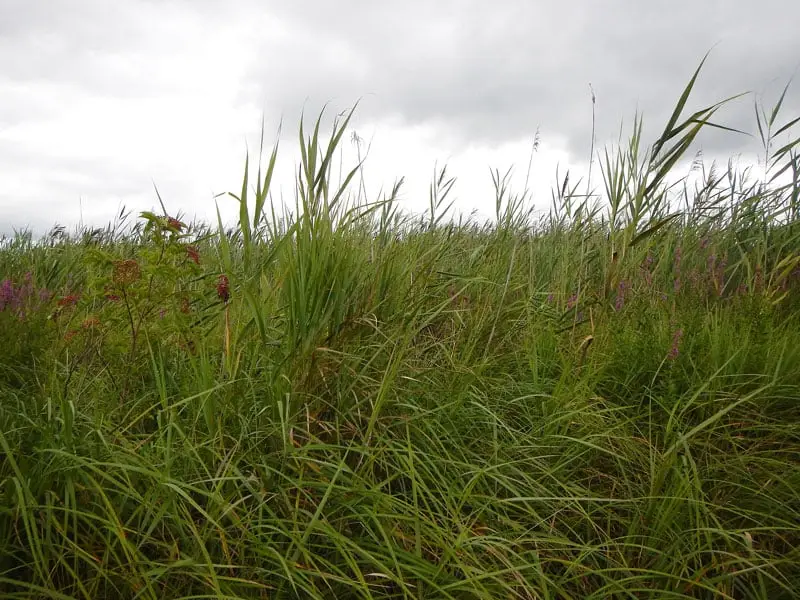
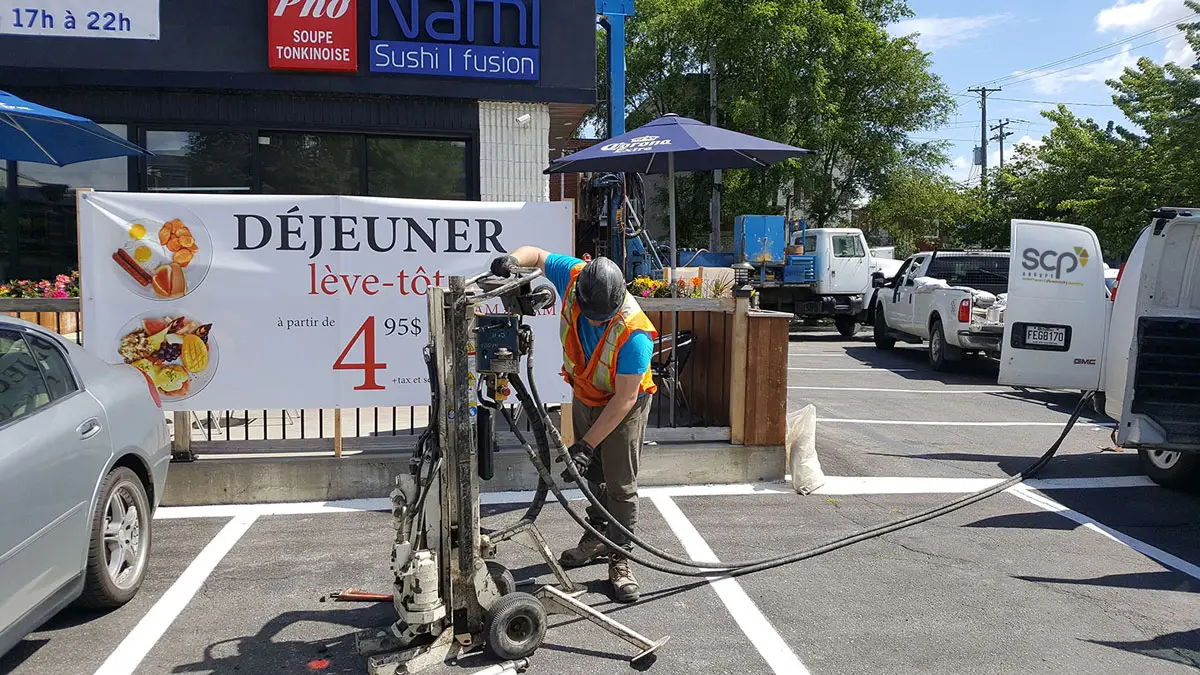
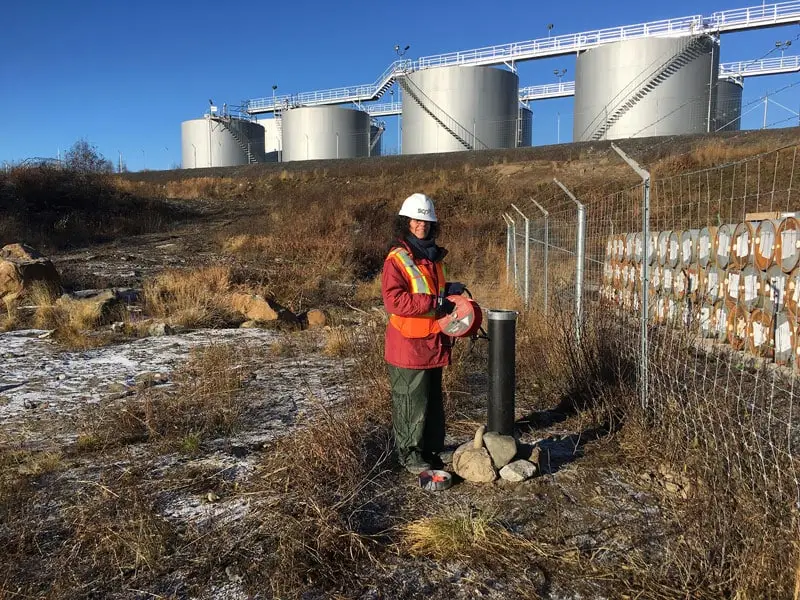
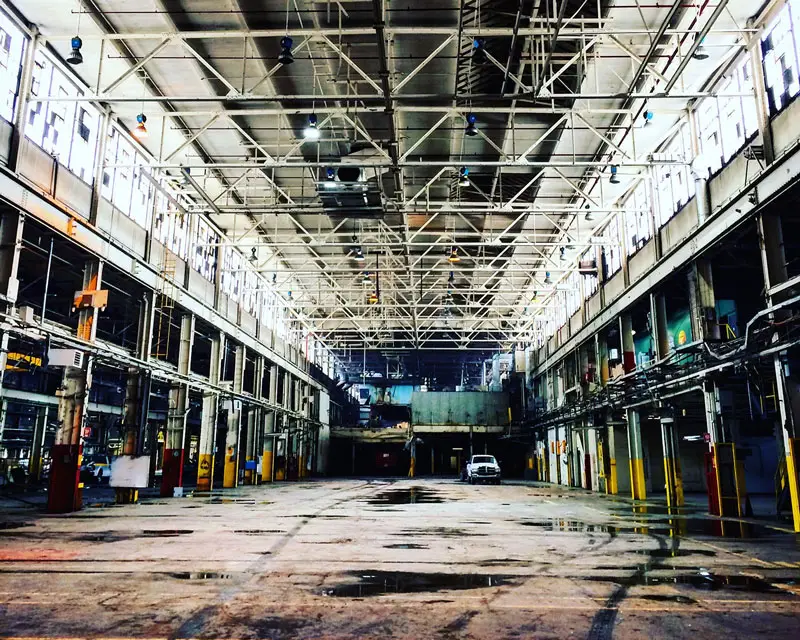
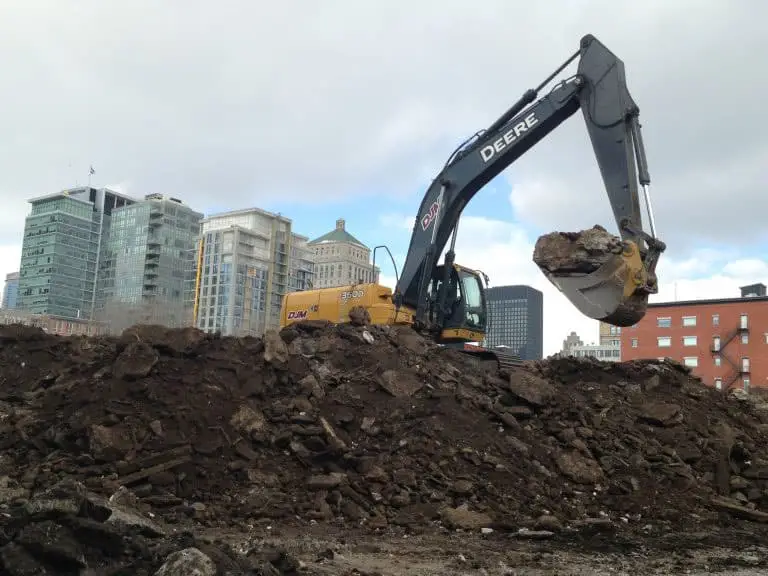
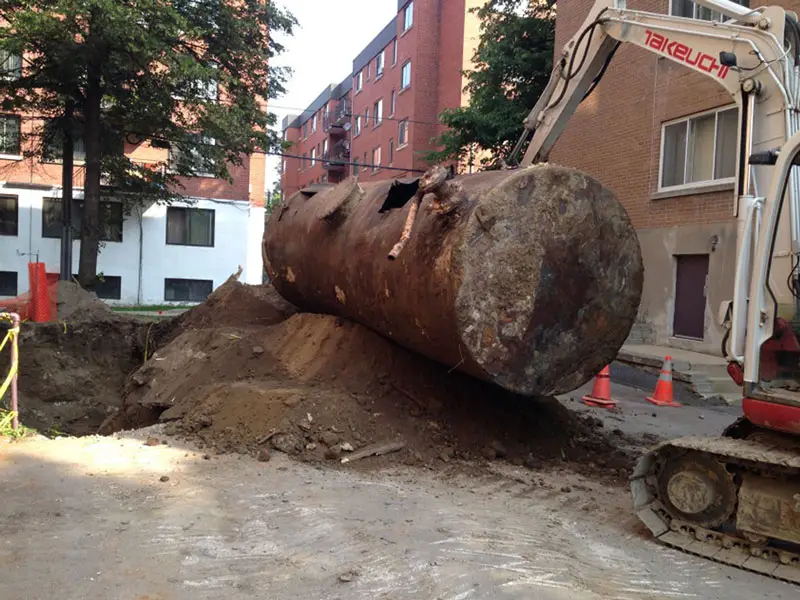
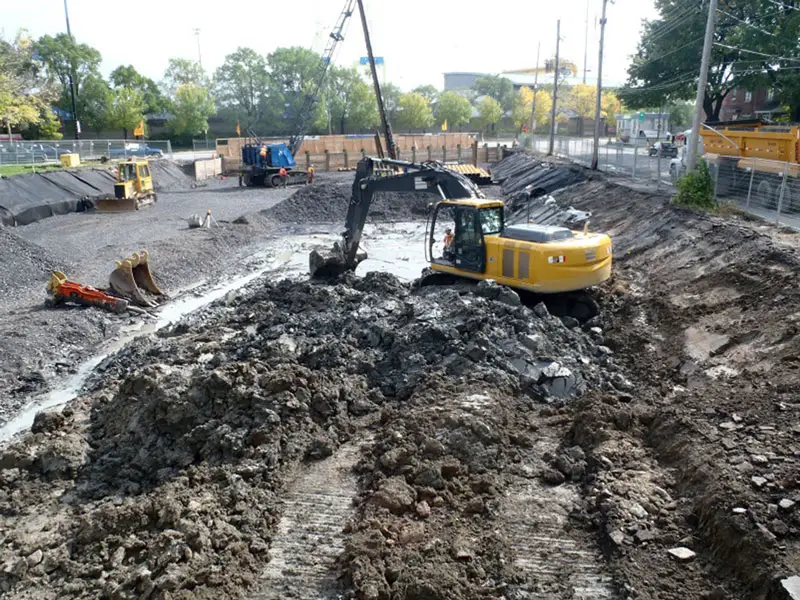
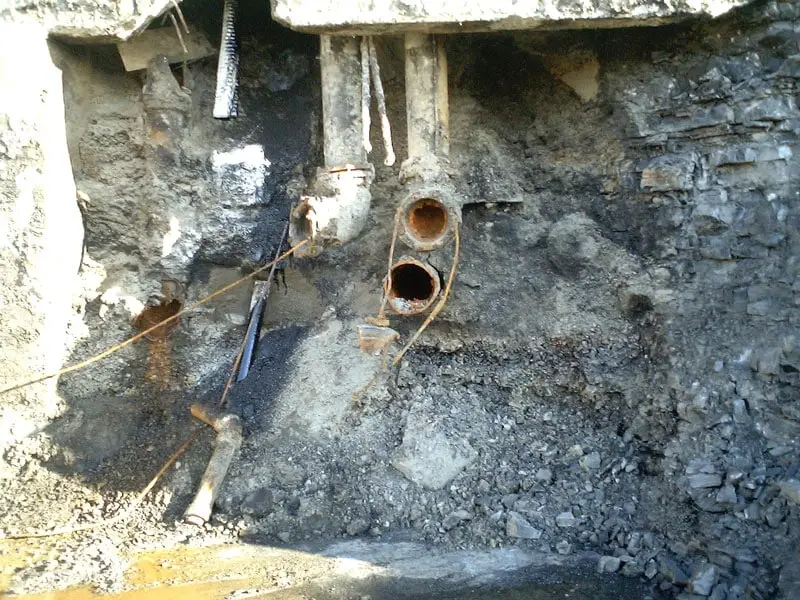
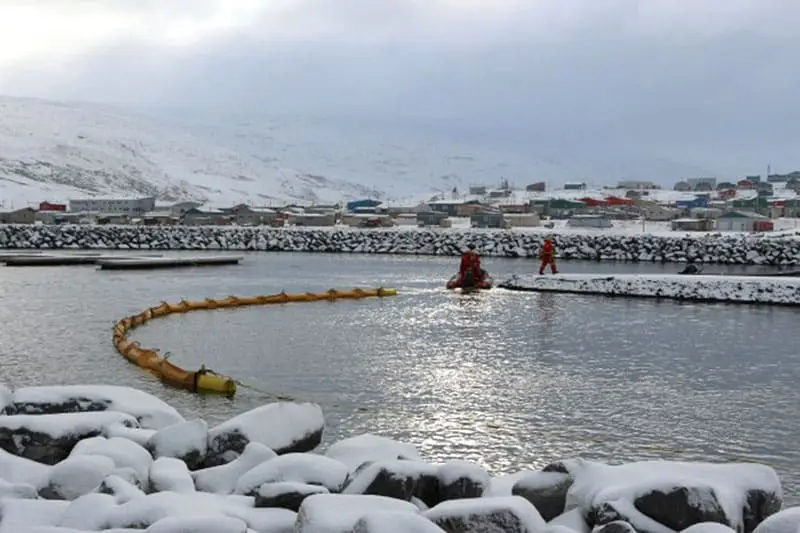
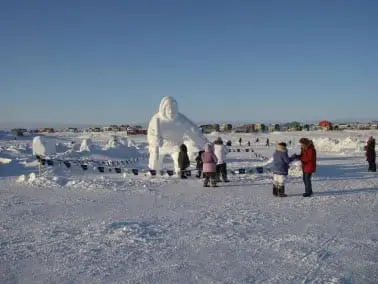
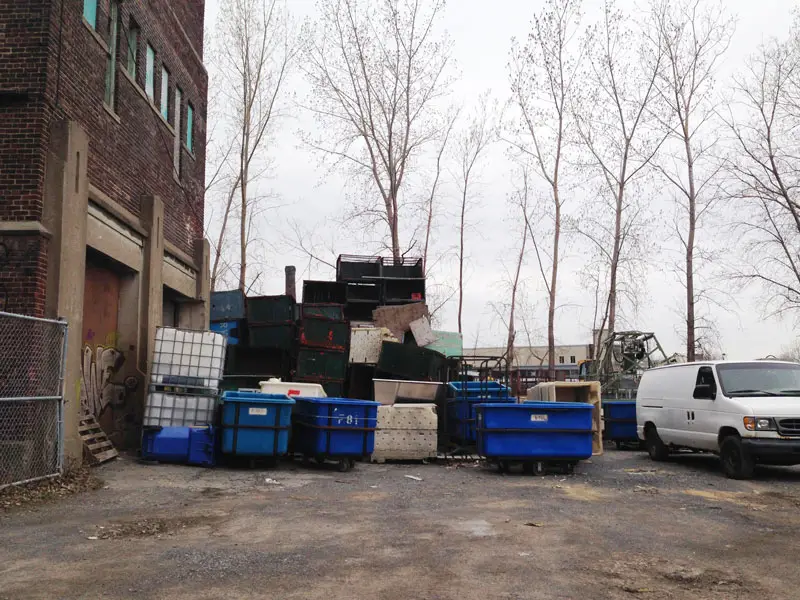
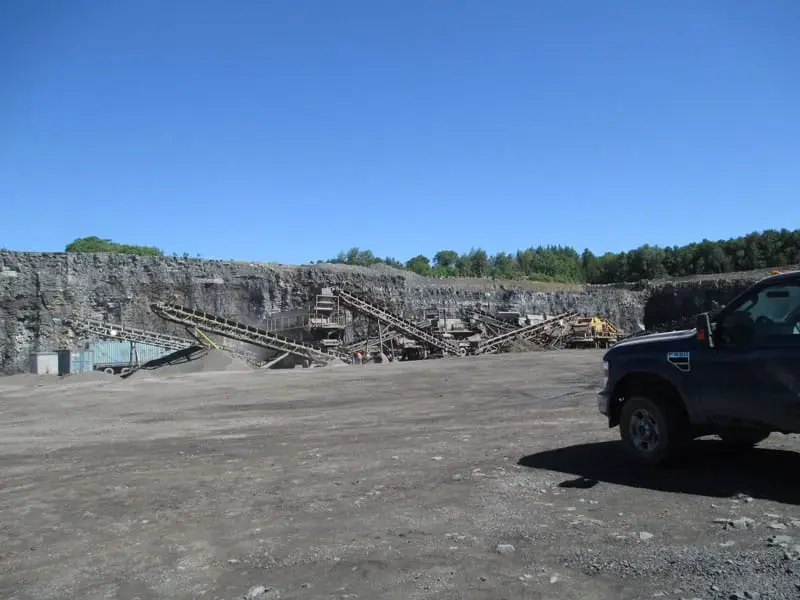
Geotechnical engineering involves the application of geotechnical engineering principles and techniques to solve soil and rock problems.
Here are just a few examples of geotechnical projects:
- Building foundations: Geotechnical engineers design and build foundations adapted to specific soil conditions, using techniques such as piles, shallow footings, or deep foundations like bored piles. These foundations ensure the stability of structures and reduce the risk of settlement or ground movement.
- Tunnels and underground excavations: The construction of tunnels, subways, underground parking lots and other underground infrastructures requires geotechnical expertise to assess soil and rock characteristics, design appropriate support methods (such as diaphragm walls, sheet-pile shields, or voussoirs for tunnels) and manage the geotechnical risks associated with excavation.
- Slope and slope stabilization: Geotechnical engineers intervene to prevent landslides by reinforcing natural or artificial slopes using techniques such as anchoring, block screens or retaining walls. These measures are essential to protect infrastructures, roads and homes against geological hazards.
- Seismic risk assessment: In seismic zones, geotechnical engineers carry out studies to assess the effects of earthquakes on structures and propose risk mitigation measures, such as improving soil bearing capacity, designing seismic isolation systems, or installing reinforcement devices.
- Groundwater management: Drainage and groundwater remediation projects are also part of geotechnical achievements. This includes designing drainage systems to prevent flooding, building pumping wells to lower groundwater levels, or carrying out hydrogeological studies to assess the impact of projects on water resources.
These examples illustrate the diversity of geotechnical engineering applications in infrastructure construction and management, with a focus on safety, sustainability and geological risk management.

Groupe SCP contributes to the preservation of natural resources, the protection of ecosystems and the promotion of a more sustainable future.