
LAW 122 – PARKING GARAGE INSPECTIONS

Environmental site characterization experts. Phase I & II assessment.

Engineering studies and materials quality control.

We carry out a multitude of tests on granular materials.

Building inspection and technical assessment, evaluation, and monitoring.
Engineering studies and materials quality control.
We carry out a multitude of tests on granular materials.
Building inspection and technical assessment, evaluation, and monitoring.
Law 122 – Parking Garage Inspection
Groupe SCP’s building division offers comprehensive expertise in parking garage inspection, structural Assessment & safety verification and reporting.

Groupe SCP assists owners and property managers with Law 122 parking garage inspections, structural assessments, reporting and follow-up of required corrective work.
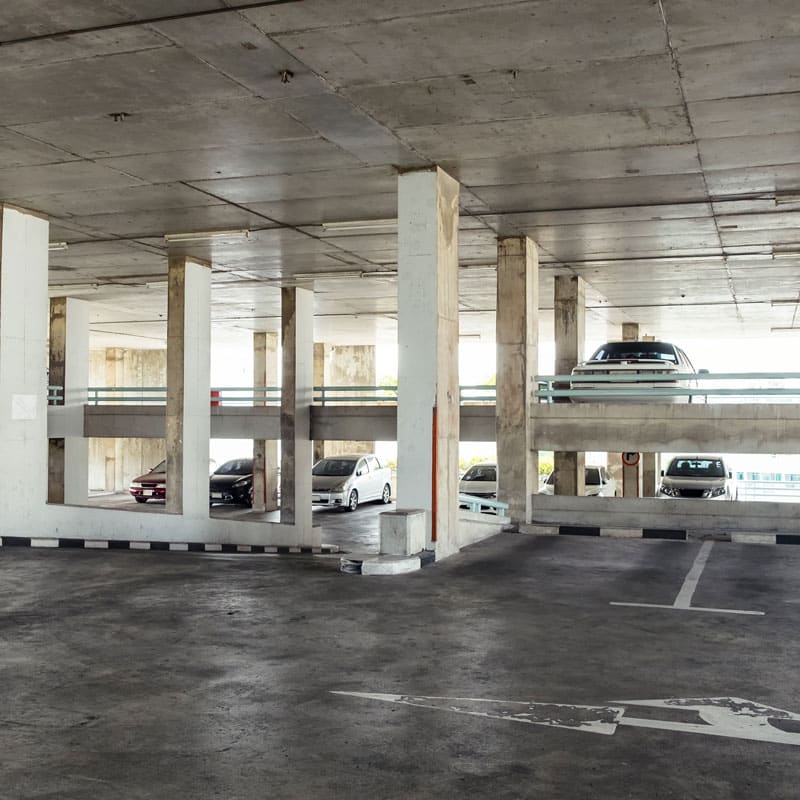

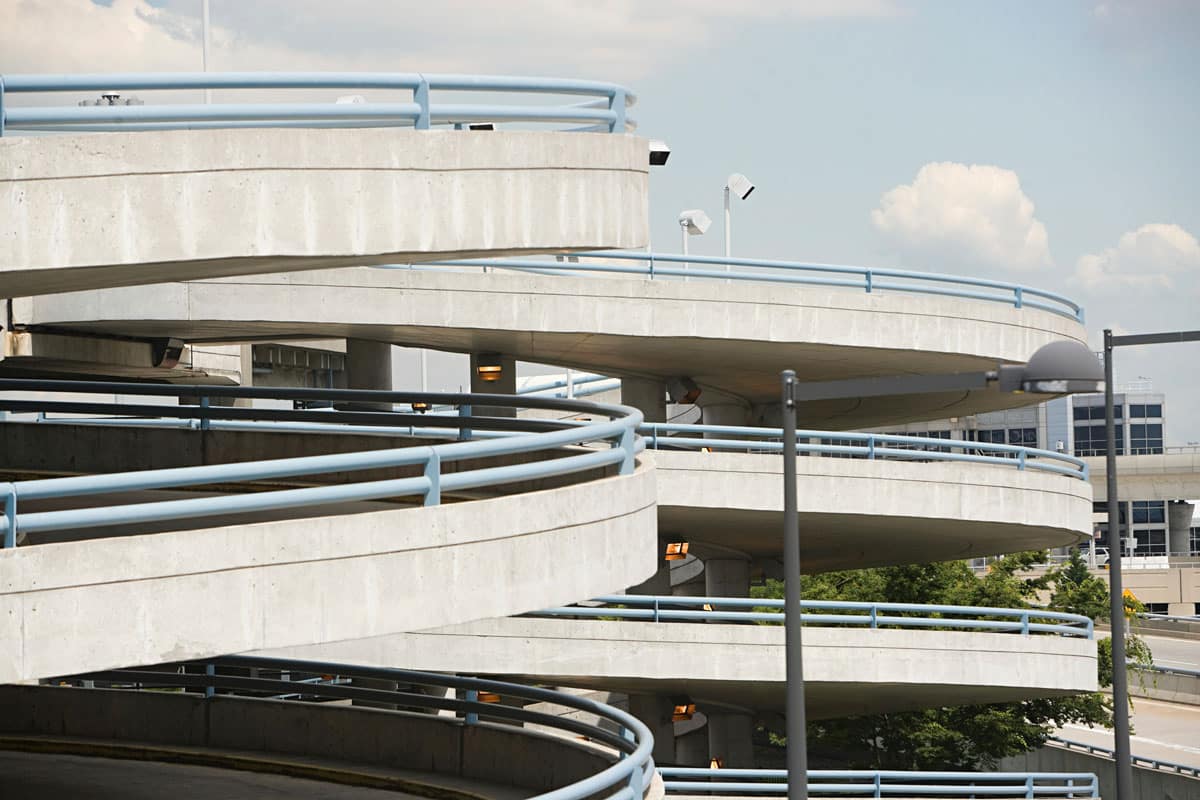
Law 122 Parking Garage Inspection | Structural Assessment, Safety Verification and Reporting
Groupe SCP provides specialized parking garage inspection and assessment services in connection with the requirements commonly associated with Law 122 and the Quebec Safety Code.
Parking structures are exposed to demanding conditions year after year.
- Vehicle traffic.
- Water.
- Snow.
- De-icing salts.
- Freeze-thaw cycles.
- Temperature variations.
These conditions can progressively affect concrete, reinforcing steel, waterproofing systems, joints and other structural components.
Periodic inspection helps identify deterioration, assess conditions that could affect safety, establish corrective priorities and support the long-term management of the structure.
Preventive Maintenance and Service Life
A parking structure represents a significant building asset. Its useful service life depends in part on how effectively deterioration is identified and managed.
A preventive strategy can include regular inspections, joint maintenance, waterproofing repairs, drainage maintenance, concrete repairs and monitoring of known deficiencies. The goal is not simply to react to damage.
It is to manage the structure throughout its service life.
Groupe SCP | Law 122 Parking Garage Inspections
Groupe SCP assists owners and property managers with Law 122 parking garage inspections and professional condition assessments for commercial, industrial, institutional and multi-residential properties.
Our approach follows a structured process:
- Inspect.
- Document.
- Identify deterioration.
- Assess significant conditions.
- Establish priorities.
- Recommend corrective measures.
- Plan future interventions.
From concrete slabs and reinforcing steel to joints, membranes, drainage and other structural components, our objective is to provide owners with the technical information required to make informed decisions about the safety, maintenance and rehabilitation of their parking structures.
Because regulatory inspection is only one part of responsible parking garage management.
The long-term objective is to identify deterioration early enough to act before it becomes a more serious problem.
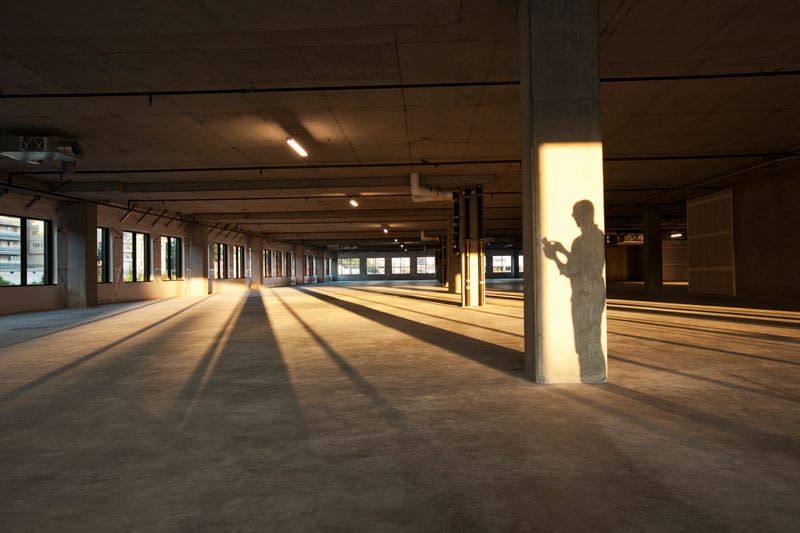
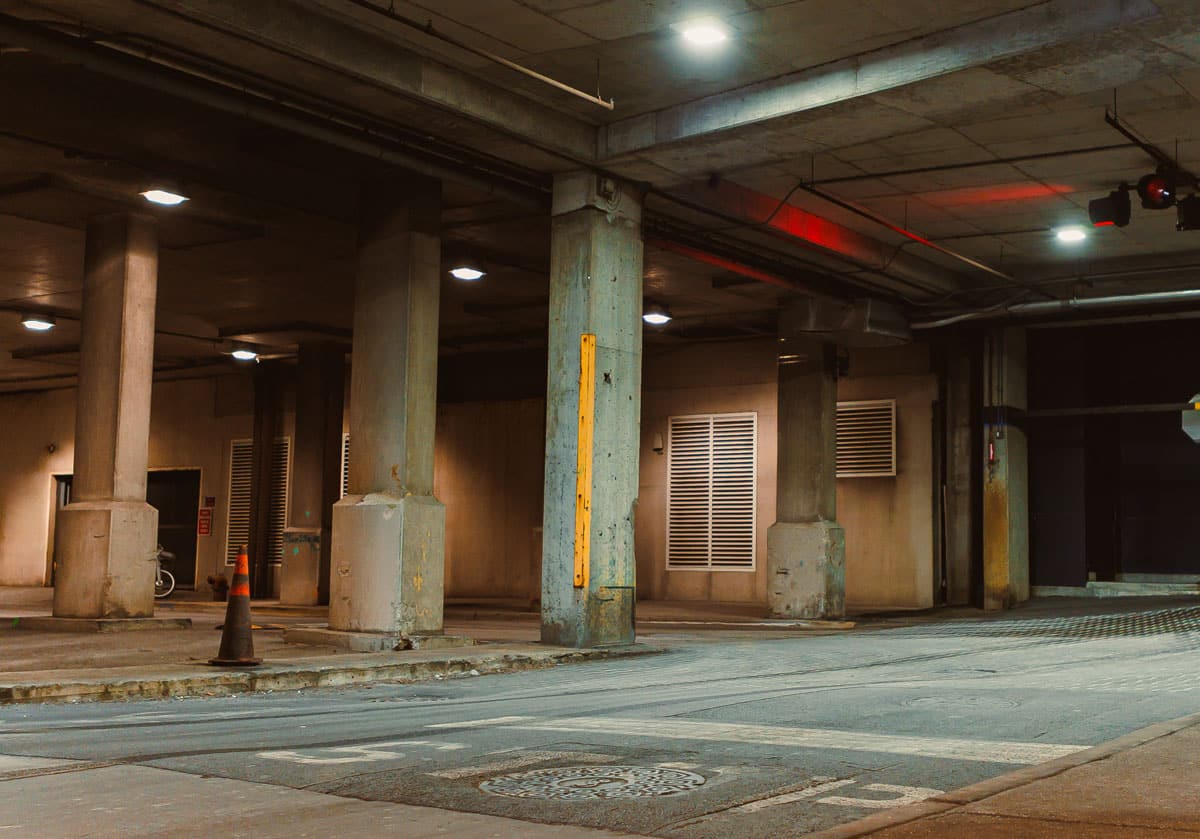
Professional Inspection of Parking Structures
A parking garage is much more than a surface designed to support vehicles.
It is a structural system consisting of interconnected components that must continue to perform safely despite constant exposure to traffic, moisture and contaminants.
Depending on the construction, an inspection may include:
- Concrete slabs
- Beams
- Columns
- Walls
- Ramps
- Structural connections
- Joints
- Drainage components
- Waterproofing systems
- Areas showing visible deterioration
- Previous repairs
- Other accessible structural components
The purpose of the inspection is to identify conditions requiring attention and provide the owner with a clearer understanding of the condition and safety of the parking structure.

Why Parking Garages Require Periodic Inspection
Parking garages operate in a particularly aggressive environment. During winter, vehicles carry snow, water and de-icing salts into the structure. These contaminants can penetrate cracks and porous areas of the concrete.
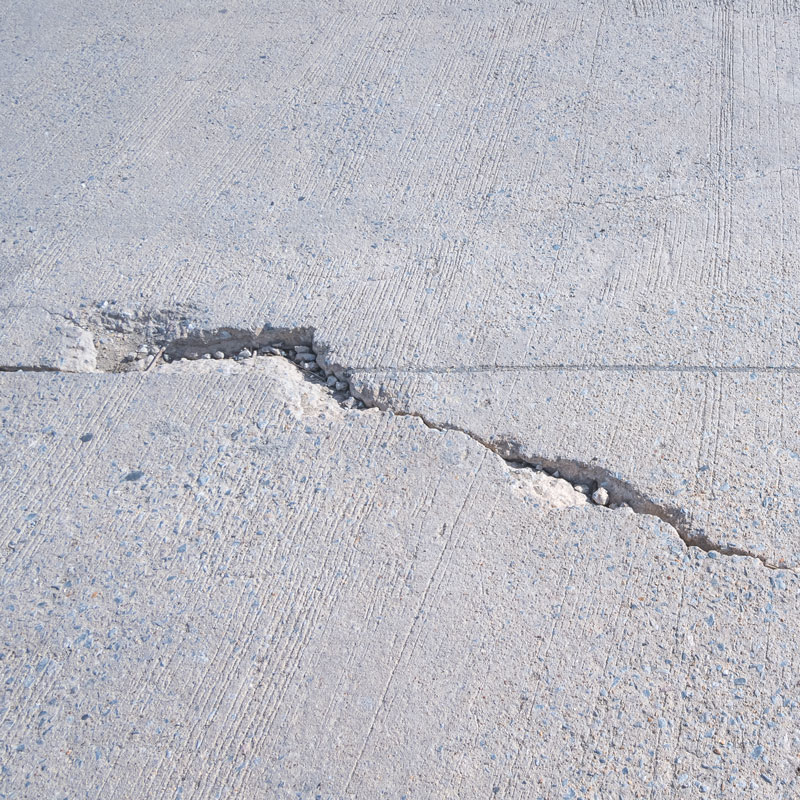
Over time, chlorides can contribute to corrosion of embedded reinforcing steel. As corrosion develops, the expansion of the steel can contribute to cracking, delamination and spalling of the surrounding concrete. Without appropriate maintenance, localized deterioration can progressively become more extensive.
Periodic inspection allows owners to identify these conditions and plan interventions before deterioration becomes more difficult and expensive to correct.
Parking Garage Inspection Requirements
Parking structures subject to the applicable Quebec regulatory framework must be inspected and maintained in accordance with prescribed requirements. For owners, this means establishing an organized inspection and maintenance process rather than waiting until a visible problem becomes severe.
Depending on the applicable requirements and stage in the inspection cycle, this may involve regular owner observations, annual inspections, detailed professional assessments, documentation and follow-up of corrective work.
Groupe SCP can help owners and managers understand the technical condition of their parking structures and organize the professional inspection process accordingly.
Annual Parking Garage Inspection
Regular inspection plays an important role in identifying changes between more comprehensive professional assessments.
An annual review can help detect conditions such as:
- New cracking
- Concrete spalling
- Delamination
- Water infiltration
- Rust staining
- Exposed reinforcing steel
- Deteriorated joints
- Drainage problems
- Damage caused by vehicle impact
- Changes in previously identified deficiencies
The objective is to identify developing conditions and determine whether additional investigation or corrective action may be necessary.
Detailed Professional Parking Garage Assessment
At prescribed intervals, a more comprehensive assessment by a qualified professional may be required.
This type of inspection goes beyond a general visual review.
Depending on the structure and the scope of the mandate, the assessment may include:
- Review of available documentation
- Detailed visual inspection
- Mapping of deficiencies
- Sounding of concrete surfaces where appropriate
- Identification of delaminated areas
- Examination of cracks
- Review of structural components
- Assessment of previous repairs
- Investigation of water-related deterioration
- Photographic documentation
- Additional testing or investigation when warranted
The resulting information helps establish a more complete picture of the structure’s condition.
Identification of Potentially Hazardous Conditions
One of the most important objectives of a parking structure inspection is identifying conditions that may pose a risk to users or property.
This can include loose concrete, significantly deteriorated structural components, unstable materials or other conditions requiring prompt attention.
When such a condition is identified, immediate measures may be necessary to secure the affected area while further assessment or corrective work is undertaken.
The priority is to protect: occupants, pedestrians, vehicles and other users of the structure.
Water Infiltration and Parking Structure Deterioration
Water plays an important role in many deterioration mechanisms affecting parking garages.
Infiltration can occur through:
- Cracks
- Deteriorated joints
- Membrane deficiencies
- Drain interfaces
- Construction joints
- Penetrations
- Other discontinuities
Water can transport salts deeper into the structure and contribute to deterioration of concrete and reinforcing steel.
Correcting only the damaged concrete without considering the source of recurring water exposure may therefore provide an incomplete solution.
A comprehensive assessment should consider both the deterioration and the conditions contributing to it.
Corrosion of Reinforcing Steel
Reinforcing steel is embedded in concrete to provide structural capacity. Under appropriate conditions, the surrounding concrete helps protect the steel.
When chlorides and moisture reach the reinforcement, however, corrosion can develop. As the steel corrodes, it expands, this can exert pressure on the surrounding concrete and eventually contribute to:
cracking → delamination → spalling → exposed reinforcement.
Recognizing these signs early can help owners plan repairs before deterioration becomes more extensive.
Parking Garage Inspection Report
Depending on the mandate and applicable requirements, the professional report may include:
- Description of the structure
- Scope of the inspection
- Documents reviewed
- Inspection methodology
- Conditions observed
- Identified deficiencies
- Location of deterioration
- Photographic documentation
- Assessment of significant conditions
- Recommended corrective work
- Recommended timelines
- Additional investigation requirements
- Follow-up recommendations
The report provides the owner with a structured technical record of the condition of the parking structure.
Corrective Work and Repair Priorities
Not every deficiency requires the same level of urgency. Inspection findings can generally be organized according to their significance and the timing of recommended intervention.
Immediate measures
Conditions requiring prompt action to address a potential safety concern.
Short-term repairs
Active deterioration or deficiencies that should be corrected within an established timeframe.
Planned maintenance and rehabilitation
Work that can be integrated into a longer-term maintenance or capital planning program.
This prioritization allows owners to focus resources where they are most needed.
Maintaining a Parking Structure Register
Good documentation is an essential part of long-term parking garage management.
Owners should maintain relevant records such as:
- Inspection reports
- Maintenance records
- Repair documentation
- Available plans
- Photographs
- Records of incidents or damage
- Professional reports
- Corrective work records
- Follow-up documentation
This information provides valuable context during future inspections and helps track the progression of known deficiencies.
A well-maintained technical history also makes it easier to distinguish new deterioration from previously documented conditions.