
ASBESTOS, LEAD AND HAZARDOUS MATERIALS

Environmental site characterization experts. Phase I & II assessment.

Engineering studies and materials quality control.

We carry out a multitude of tests on granular materials.

Building inspection and technical assessment, evaluation, and monitoring.
Engineering studies and materials quality control.
We carry out a multitude of tests on granular materials.
Building inspection and technical assessment, evaluation, and monitoring.
Asbestos, Lead and Hazardous Materials
Groupe SCP’s building division offers comprehensive expertise in hazardous materials in buildings.

Groupe SCP assists owners, property managers, contractors and professionals in identifying asbestos, lead and other hazardous materials to better plan work and protect workers, occupants and the environment.
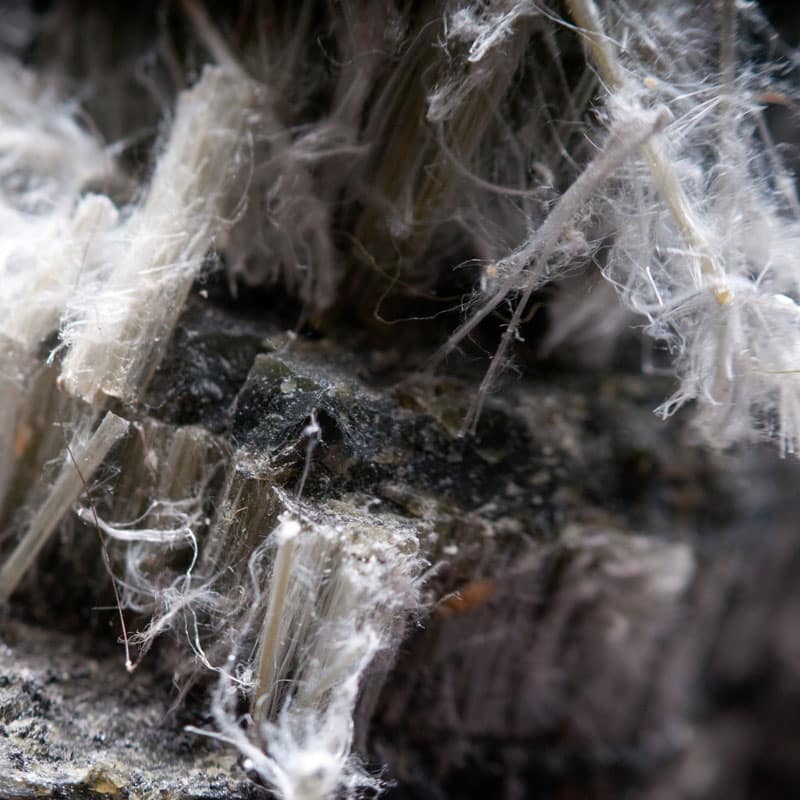

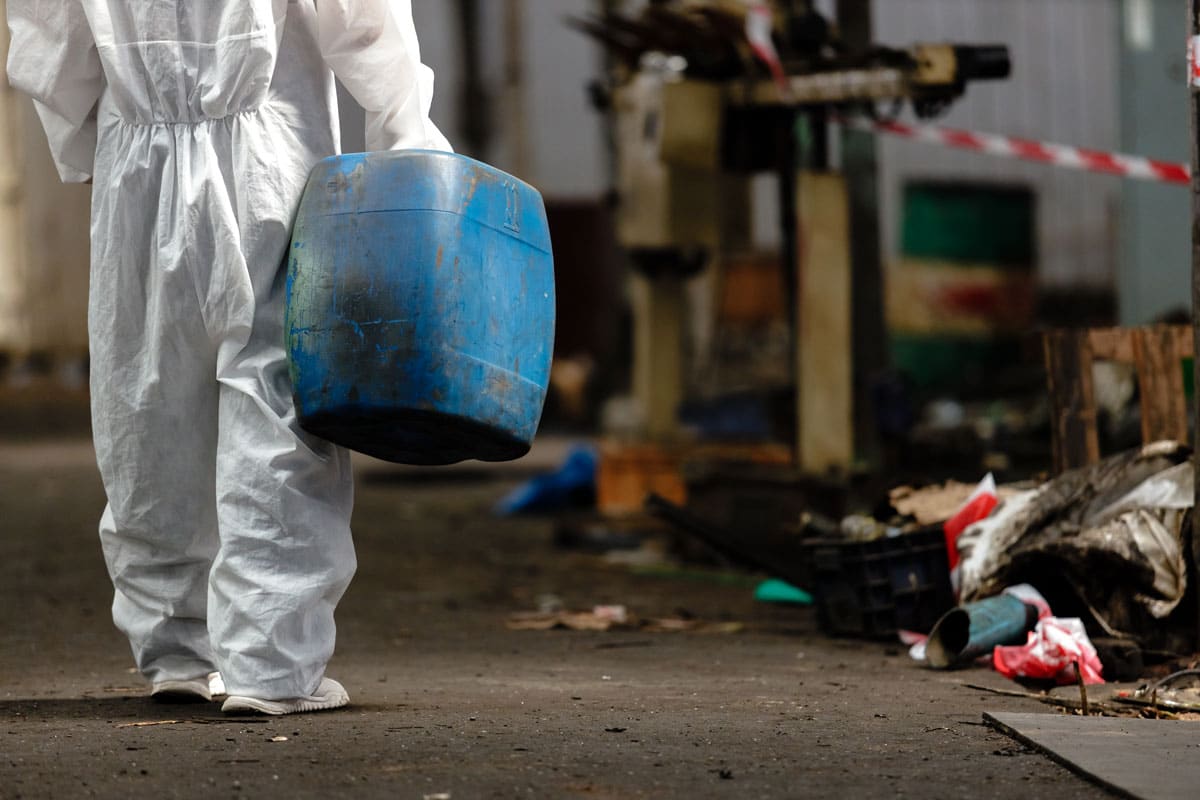
Inspection and Characterization of Asbestos, Lead and Hazardous Materials in Buildings
Groupe SCP offers specialized services for the inspection, characterization and management of asbestos, lead and hazardous materials that may be present in existing buildings.
Before renovation, demolition or rehabilitation work begins, it is essential to understand the nature of the materials that will be affected.
- Sprayed-on materials.
- Mechanical insulation.
- Plaster.
- Joint compounds.
- Floor tiles and coverings.
- Insulation.
- Paints and coatings.
- Mastics.
- Construction products.
Some buildings may contain materials that can present a risk when they are cut, drilled, demolished, removed or otherwise disturbed during work.
A hazardous materials characterization makes it possible to document their presence before work begins and to better plan the appropriate management measures.
Protecting Workers and Occupants
Hazardous materials characterization is, above all, a preventive tool.
A contractor who does not know that a material contains asbestos or lead cannot properly adapt work methods to that condition.
For occupied buildings, planning becomes even more important.
- Offices.
- Schools.
- Institutional facilities.
- Commercial properties.
- Multi-residential buildings.
- Industrial facilities.
The work must then take into account not only the workers directly involved, but also other people present in the building.
Knowing the materials before the project begins makes it possible to better control how they will be managed during the work.
Groupe SCP | Asbestos, Lead and Hazardous Materials Expertise
Groupe SCP assists owners, property managers, contractors and professionals with the identification and management of asbestos, lead and hazardous materials in buildings.
Our approach is designed to provide clear information before work begins:
- Inspect.
- Identify materials that may present an issue.
- Sample when required.
- Have samples analyzed.
- Document the results.
- Define the required interventions.
Whether the project involves renovation, rehabilitation, demolition or the long-term management of an existing building, proper characterization helps reduce unknowns and better prepare the work.
Because when hazardous materials are involved, the best time to discover their presence is before the project begins — not during demolition.
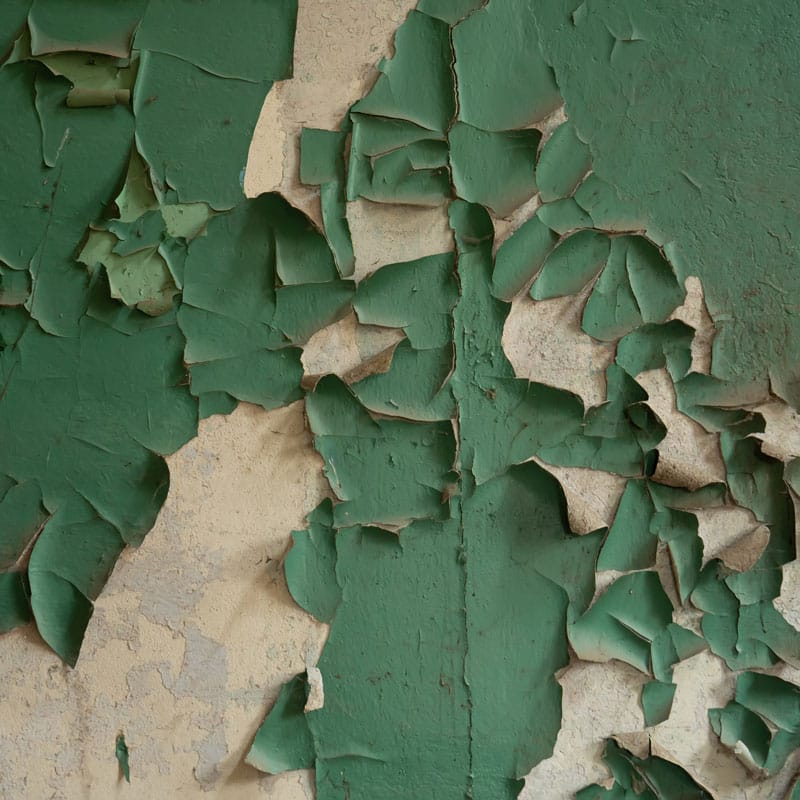
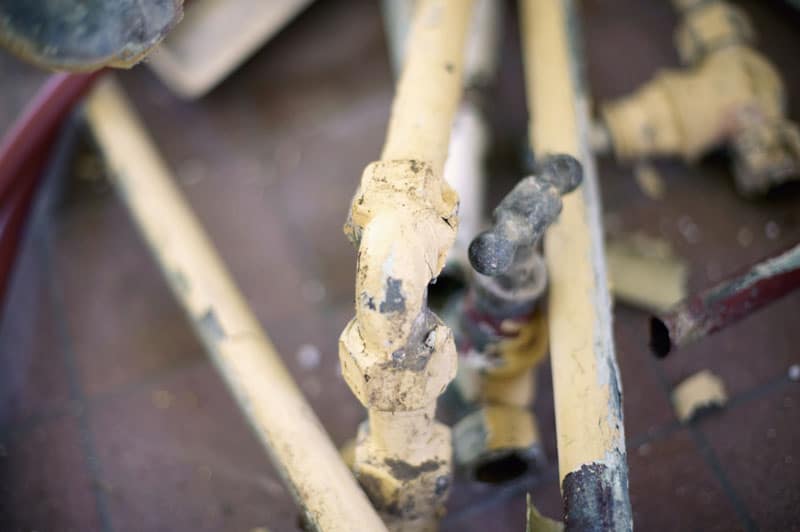
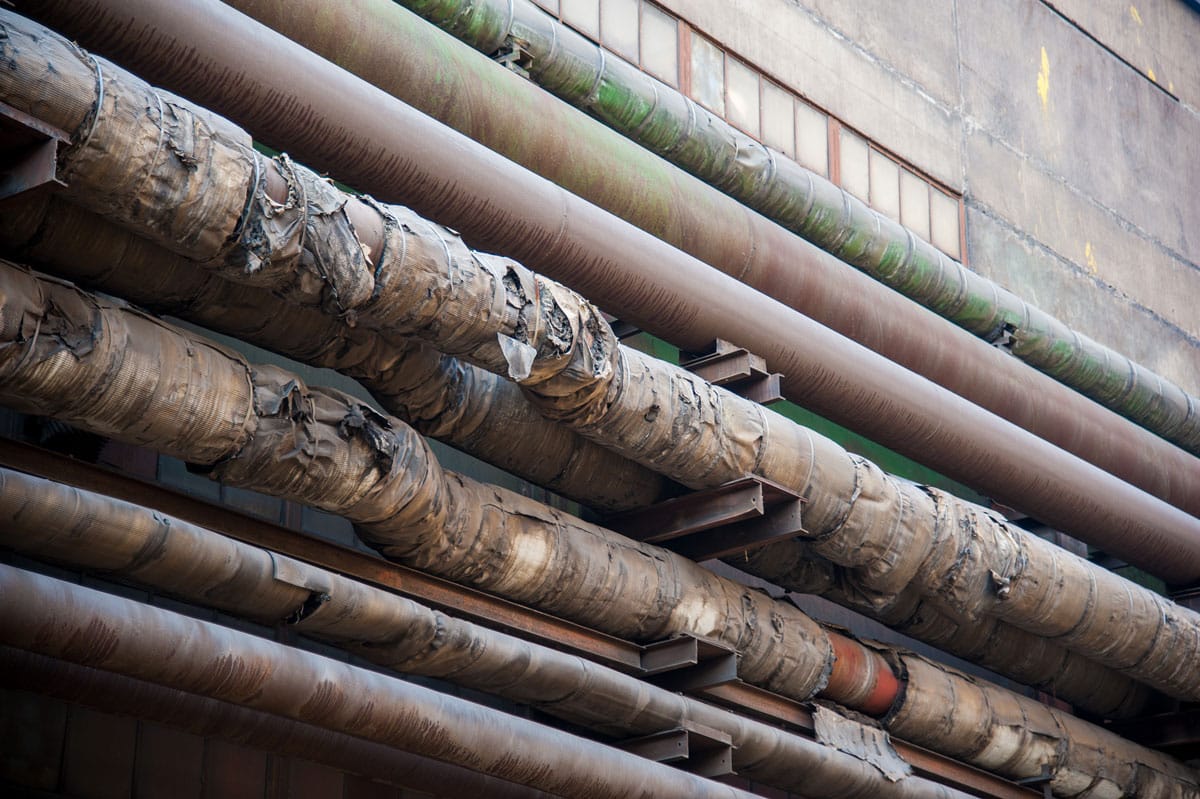
Identifying Hazardous Materials Before Work Begins
A material generally cannot be considered safe or contaminated based solely on its appearance.
Two visually similar materials may have different compositions.
The age of the building may provide certain clues, but it does not replace proper characterization.
This is why a structured approach may include building inspection + identification of materials suspected of containing hazardous substances + sampling when required + laboratory analysis + documentation of results.
This information then allows the various parties involved to better determine the necessary work methods and control measures.
The objective is simple, identify before disturbing.

Asbestos Characterization
Asbestos in buildings remains an important consideration when work affects certain existing materials.
Depending on the age, history and materials present in a building, an inspection can identify materials suspected of containing asbestos that should be verified.
Materials that may contain asbestos can be found in various assemblies and construction products.
Depending on the scope of the mandate, the intervention may include:
- Inspection of the areas concerned
- Identification of materials suspected of containing asbestos
- Location of materials
- Representative sampling
- Laboratory analysis
- Photographic documentation
- Compilation of results
- Recommendations regarding anticipated interventions
Characterization provides essential information for properly preparing renovation, rehabilitation or demolition work.
Materials Suspected of Containing Asbestos
In an existing building, various materials may require particular attention depending on their nature and the period in which they were installed.
These may include:
- Sprayed-on materials
- Mechanical insulation
- Plaster
- Joint compounds
- Ceiling tiles
- Floor coverings
- Mastics and adhesives
- Insulation
- Panels and construction products
- Certain materials associated with mechanical equipment
The potential presence of asbestos does not automatically mean that a material represents an immediate hazard in its current condition.
The issue becomes particularly important when the material will be disturbed as part of the work.
Prior characterization then makes it possible to adapt project planning to the actual conditions of the building.
Registry and Management of Asbestos-Containing Materials
For building owners and property managers, knowledge of the materials present is also a longer-term management consideration.
When asbestos-containing material remains in place, its location and condition must be known to those responsible for maintenance and future interventions.
Structured documentation facilitates:
- Management of existing materials
- Work planning
- Communication with contractors
- Monitoring the condition of materials
- Updating information following work
- Prevention of accidental disturbance of known materials
The information therefore becomes a genuine building management tool, rather than simply a report produced for a particular project.
Characterization Before Renovation or Demolition Work
A renovation may appear relatively simple.
- Removing a wall.
- Modifying a ceiling.
- Replacing a covering.
- Reconfiguring a space.
- Opening a partition.
But these interventions may disturb several layers of existing materials.
A hazardous materials characterization before work makes it possible to determine whether the areas concerned contain materials requiring specific handling or removal methods.
This step can help avoid:
work stoppages, unexpected work, changes to work methods and late discovery of problematic materials.
For a project manager, understanding the conditions before the tender process or before the contractor mobilizes can also allow for much more precise planning.
Sampling and Laboratory Analysis
When a material suspected of containing asbestos or another substance of concern is identified, analysis may be required to determine its composition.
Sampling must be carried out methodically so that the results can be properly associated with the materials and areas inspected.
The intervention may include identification, location, collection, numbering of samples and submission to a laboratory for analysis.
The results can then confirm the presence or absence of the substances being investigated in the samples analyzed.
This distinction is fundamental.
The inspection identifies what needs to be verified.
The analysis characterizes the sampled material.
Lead Inspection and Characterization
Lead in buildings may be associated with certain older coatings and paints, as well as other materials or components depending on the building.
The presence of lead becomes particularly important to consider when work may generate dust, particles, residues or debris.
- Sanding.
- Stripping.
- Drilling.
- Sawing.
- Demolition.
- Removal of materials.
Prior characterization makes it possible to better plan the work and appropriate control measures.
Depending on the mandate, Groupe SCP can intervene to:
- Identify materials or surfaces to be verified
- Perform the required sampling
- Have samples analyzed
- Document the results
- Identify the areas concerned
- Provide recommendations based on the nature of the project
Lead-Containing Paint and Renovation Projects
A painted surface may appear perfectly normal while requiring particular attention when it is to be disturbed.
The issue therefore does not concern only the aesthetic condition of the coating.
It is primarily about what will happen during the work.
Stripping or demolishing a lead-containing coating can significantly change the nature of the risk compared with material that is left intact.
Characterization performed in advance allows those responsible for the project to incorporate this information into:
work methods, site preparation, protective measures and residue management.
Other Hazardous Materials in Buildings
Depending on the age, use and history of a building, other materials or substances may require particular attention as part of a project.
The scope of a hazardous materials characterization should therefore be adapted to the building and the planned work.
The objective is not to indiscriminately search for every possible substance.
Rather, it is to identify relevant materials based on:
the building + the materials present + the known history + the scope of the work.
This approach makes it possible to focus the investigation on issues that are genuinely likely to affect the project.
Targeted Inspection Based on the Scope of Work
Effective characterization begins with a clear understanding of the project.
- Which rooms will be renovated?
- Which walls will be opened?
- Which ceilings will be removed?
- Which mechanical systems will be modified?
- Which coverings will be replaced?
- Which sections of the building will be demolished?
- The scope of the inspection can then be defined according to the materials likely to be disturbed.
This approach avoids treating characterization as a generic exercise.
The inspection is based on what the project will actually affect.
Asbestos and Work on Mechanical Systems
Mechanical rooms and distribution systems may contain various materials that require particular attention before work begins.
- Mechanical insulation.
- Insulation.
- Elbows and fittings.
- Joints.
- Products associated with certain equipment.
When mechanical systems are being modified, prior characterization can identify the materials concerned before contractors begin removing or altering them.
This information is particularly useful in commercial, industrial and institutional buildings that have undergone several phases of construction or renovation.
Characterization in Older Buildings
Older buildings have often undergone renovations, additions, repairs and several generations of materials.
The same room may therefore contain products installed during different periods.
- A wall may have been modified.
- A ceiling may have been partially replaced.
- A new finish may cover a much older material.
The year in which the building was constructed therefore does not necessarily tell its entire story.
An inspection should take into account, when the information is available, the different phases of construction and renovation.
Hazardous Materials Characterization Report
Depending on the nature of the mandate, the report may include:
- Scope of the inspection
- Areas visited
- Materials observed
- Materials sampled
- Sampling locations
- Analysis results
- Photographic documentation
- Identification of characterized materials
- Relevant observations
- Recommendations applicable to the project
The report therefore provides owners, property managers, professionals and contractors with a documented basis for better preparing the work.
It can also become a useful reference for future interventions in the areas concerned.
Monitoring of Remediation Work
For certain projects involving hazardous materials, monitoring of the work may be appropriate to document its progress and verify certain elements included in the mandate.
Depending on the project, the intervention may include:
- Site visits
- Verification of work areas
- Observation of implemented work methods
- Photographic documentation
- Work monitoring
- Verification or sampling when required
- End-of-work documentation
This monitoring helps provide greater continuity between:
the initial characterization, project preparation and execution of the work.
Air Quality and Post-Work Verification
Depending on the nature of the materials, the scope of the work and the project requirements, additional verification may be carried out following certain interventions.
The objective is to document conditions following the work and provide the information required by the various parties involved.
This step must be defined according to the type of contaminant, the work methods used and the requirements applicable to the project.
It completes a structured process extending from initial identification through to project closeout.