
TECHNICAL-LEGAL EXPERTISE, HIDDEN DEFECTS

Environmental site characterization experts. Phase I & II assessment.

Engineering studies and materials quality control.

We carry out a multitude of tests on granular materials.

Building inspection and technical assessment, evaluation, and monitoring.
Engineering studies and materials quality control.
We carry out a multitude of tests on granular materials.
Building inspection and technical assessment, evaluation, and monitoring.
Technical-Legal Expertise Hidden Defects Claims & Disputes
Groupe SCP’s construction division offers comprehensive technical-legal building expertise for hidden defects, claims, disputes and expert reports.

Groupe SCP applies its building expertise to the technical analysis of disputes, claims and litigation involving commercial, industrial, institutional and multi-residential buildings.
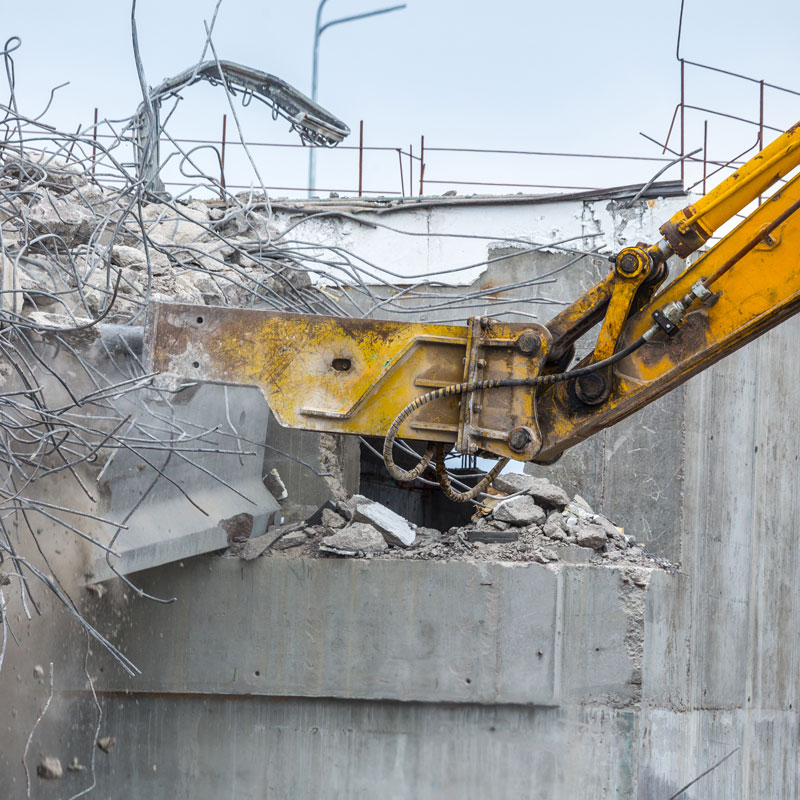


Technical-Legal Building Expertise | Hidden Defects, Claims, Disputes and Expert Reports
Groupe SCP offers specialized technical-legal building expertise services to assist owners, property managers, contractors, insurers, professionals and other parties facing a technical dispute related to a building or construction work.
- Water infiltration.
- Construction deficiency.
- Alleged hidden defect.
- Premature deterioration.
- Non-compliant work.
- Component failure.
- Claim.
- Dispute between parties.
When a situation develops into a claim or dispute, it is no longer enough simply to establish that a problem exists.
It must be possible to document the observed conditions, investigate the probable causes, analyze the relevant technical elements and present the conclusions in a clear, objective and defensible manner.
Expertise in Support of Negotiation or Settlement
Not all disputes proceed to court.
Technical expertise may also be useful for:
negotiation, mediation, discussions between the parties or the development of a settlement strategy.
When a problem is better defined from a technical standpoint, the parties have a clearer basis for discussion.
- What is the deficiency?
- What is its probable cause?
- What is its extent?
- What corrective measures are required?
- Uncertainty often fuels disputes.
A well-structured expert assessment can help reduce that uncertainty.
Groupe SCP | Technical-Legal Building Expertise
Groupe SCP assists owners, property managers, contractors, insurers, professionals and legal advisors in matters requiring technical-legal building expertise.
Our approach is based on a structured process:
- Inspect.
- Document.
- Analyze.
- Reconstruct the facts when necessary.
- Identify deficiencies.
- Investigate technical causes.
- Assess corrective measures.
- Present clear and objective conclusions.
Whether the matter involves an alleged hidden defect, water infiltration, a construction deficiency, a claim or a dispute, the objective remains to transform a sometimes complex situation into a clear, documented technical analysis.
Because in building disputes, opinions can quickly diverge.
Technical facts, however, must be demonstrable.
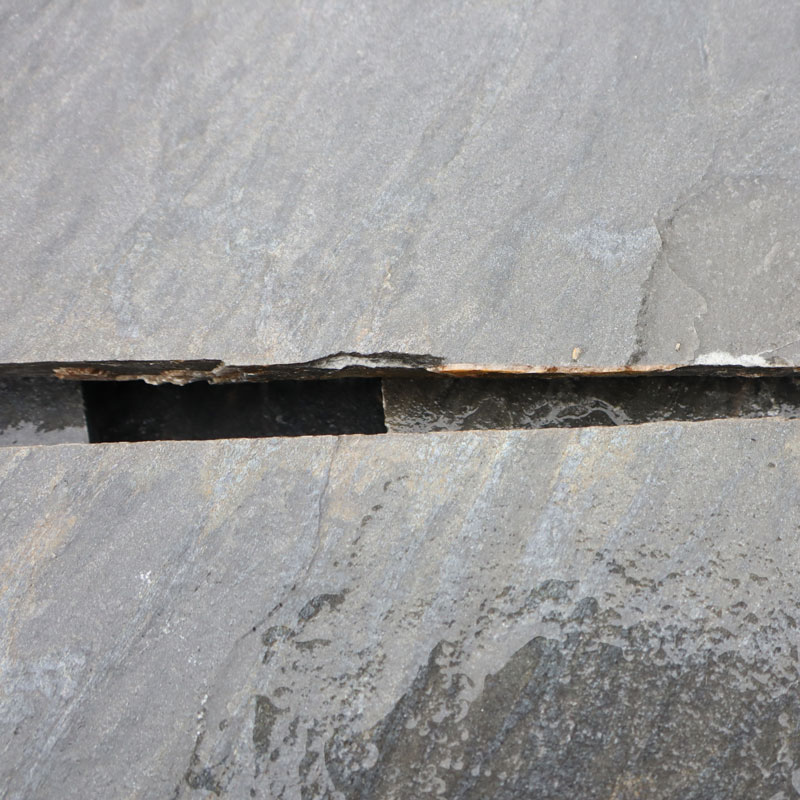
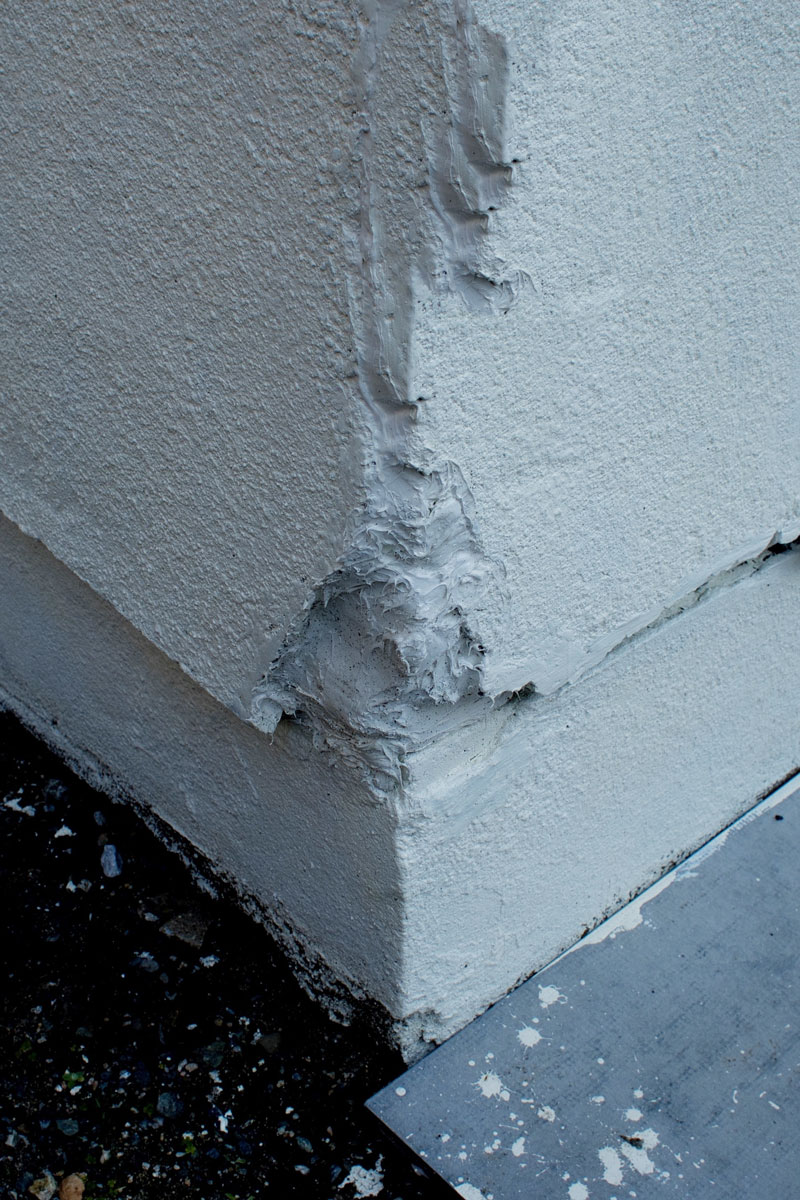

Independent Technical Expertise to Better Understand the Dispute
A construction dispute can quickly become complex.
- The owner considers that the work contains a deficiency.
- The contractor believes that the problem originates from another component.
- A seller claims that a condition did not exist at the time of the transaction.
- A buyer discovers a problem after the acquisition.
- Water infiltration reappears despite several repairs.
In this context, the role of the technical-legal expert is first to examine the technical facts.
- What conditions are actually observable?
- What is the extent of the deficiency?
- What documents are available?
- What work was carried out?
- What mechanisms could explain the damage?
The objective is to establish an analysis based on facts, observations, available documentation and technical expertise.

Building Hidden Defect Expertise
The discovery of a deficiency after the purchase of a property may raise the issue of a hidden defect.
- Water infiltration.
- Cracks.
- Foundations.
- Roofing.
- Facade.
- Drainage.
- Concrete deterioration.
- Waterproofing problems.
However, determining from a legal standpoint whether a condition constitutes a hidden defect ultimately falls within the applicable legal framework and, in the event of a dispute, the competent authorities.
The role of the building expert is instead to document and analyze the technical aspects of the observed condition.
Depending on the mandate, the expertise may seek to determine:
- The nature of the deficiency
- Its apparent extent
- The affected components
- The probable technical causes
- Signs of deterioration
- Visible or documented previous repairs
- The potential consequences of the condition
- Corrective work that may be required
This distinction is important.
The technical expert analyzes the building and the technical facts. Legal qualification belongs to the field of law.
Inspection and Documentation of Deficiencies
Technical-legal expertise generally begins with the rigorous collection of available information.
Depending on the mandate, the intervention may include:
- Visual inspection
- Photographic documentation
- Documentation of deficiencies
- Location of damage
- Measurements when relevant
- Examination of accessible materials
- Identification of environmental conditions
- Observation of previous repairs
- Review of available documents
- Additional investigations when required
The objective is to create a sufficiently precise picture to allow for a structured technical analysis.
In a dispute context, the quality of the documentation is particularly important.
Cause Investigation and Damage Analysis
Observing damage does not necessarily explain why it occurred.
A crack may have several potential causes.
Water infiltration may originate from a component located far from where the water becomes visible.
Concrete deterioration may result from several mechanisms.
A roofing failure may be related to materials, installation, details or a combination of factors.
The expertise therefore aims to go beyond the symptom to examine the mechanisms that may explain the observed condition.
This process may consider design, materials, installation, aging, maintenance, environmental conditions and interventions carried out over time.
Water Infiltration and Waterproofing Expertise
Water infiltration is a frequent source of disputes in the building industry.
- Who is responsible?
- The roof?
- The facade?
- The fenestration?
- The joints?
- The foundations?
- A previous intervention?
Before discussing responsibility, it is first necessary to try to establish how water is entering the building.
The expertise may include:
- Inspection of affected areas
- Building envelope analysis
- Investigation of potential water paths
- Examination of joints and interfaces
- Analysis of previous repairs
- Targeted testing or investigations when required
- Documentation of damage
- Corrective recommendations
This process directly relates to Groupe SCP’s expertise in waterproofing and water infiltration.
Roofing Expertise in the Context of a Claim or Dispute
Roofing disputes may involve:
water infiltration, installation deficiencies, membrane performance, drainage, flashings, penetrations or rehabilitation work.
An expert assessment may examine:
- The general condition of the system
- Observed deficiencies
- Accessible construction details
- Areas of water infiltration
- Repairs carried out
- Available project documents
- Potential technical causes
- Corrective interventions to consider
A roof is a system composed of many elements.
Identifying the presence of a leak is therefore only the first step.
The challenge is to determine why the system is not adequately performing its function in the area concerned.
Facade and Building Envelope Expertise
Disputes may also involve facades and various building envelope components.
- Cracking.
- Masonry.
- Joints.
- Fenestration.
- Cladding.
- Flashings.
- Anchors.
- Water infiltration.
- Premature deterioration.
Depending on the mandate, the expertise may document observed conditions, identify deficiencies and analyze the mechanisms that may have contributed to the problem.
Groupe SCP’s multidisciplinary approach makes it possible to consider interactions between the various components rather than evaluating each element in isolation.
Foundations, Concrete and Structural Elements
Technical-legal expertise may also involve issues related to:
foundations, slabs, walls, beams, columns and other structural elements.
Observed conditions may include:
- Cracking
- Apparent movement
- Settlement
- Deformation
- Concrete deterioration
- Reinforcement corrosion
- Water infiltration
- Previous repairs
- Premature deterioration
The analysis aims to document the technical facts and, where possible within the scope of the mandate, identify the mechanisms that may explain the damage.
A crack is an observation. Its cause is a matter of expertise.
Claims Related to Construction and Rehabilitation Work
A dispute may arise during or after construction work.
The owner believes that the work does not meet the specified requirements.
- Deficiencies appear.
- Work must be redone.
- The parties disagree on the cause or extent of the corrective measures.
- Independent expertise can then help establish a technical picture of the situation.
Depending on the mandate, Groupe SCP may examine:
- Work performed
- Existing conditions
- Alleged deficiencies
- Available plans and specifications
- Site reports
- Technical data sheets
- Photographs
- Changes made during the work
- Corrective measures already carried out
This analysis can help distinguish allegations from technically observable and documentable conditions.
Analysis of Plans, Specifications and Technical Contract Documents
In many cases, a significant portion of the information can be found in documents produced before and during the work.
- Plans.
- Specifications.
- Addenda.
- Shop drawings.
- Technical data sheets.
- Directives.
- Site reports.
- Change requests.
- Photographs.
- Inspection reports.
- Technical correspondence.
Document review can make it possible to compare the observed work with the technical requirements established for the project and better understand the chronology of events.
This step can be essential when a dispute concerns what was supposed to be carried out compared with what was actually executed.
Expertise for Owners, Contractors and Other Parties
Independent expertise should not begin with the conclusion that one party is right and the other is wrong.
It should begin with the facts.
Groupe SCP may undertake mandates for various parties:
- Property owners
- Property managers
- Contractors
- Professionals
- Insurers
- Condominium syndicates or property managers
- Lawyers and legal advisors
- Other parties involved in a technical matter
Regardless of which party retains the expert, the value of the work rests on the rigour and objectivity of the technical analysis.
Collaboration With Lawyers and Legal Advisors
Construction matters may require close collaboration between technical experts and legal professionals.
The lawyer analyzes, among other things, contractual obligations, liability, remedies and questions of law.
The expert analyzes the building, materials, systems, deficiencies and technical causes.
This distinction allows each professional to work within their respective area of expertise.
Clear communication between the parties also facilitates the identification of the technical questions the expert assessment must answer.
Technical-Legal Expert Report
In the context of a claim or dispute, the report is a central component of the mandate.
Depending on the nature of the case, it may include:
- The mandate
- Documents reviewed
- Relevant history
- Inspections performed
- Observations
- Photographic documentation
- Identified deficiencies
- Technical analyses
- Probable causes when they can be established
- Limitations of the expertise
- Recommendations
- Corrective work to consider
- Technical conclusions
The report should allow the reader to understand the reasoning that connects the observations to the conclusions.
A technical conclusion carries much greater value when it is clearly supported by documented facts.